
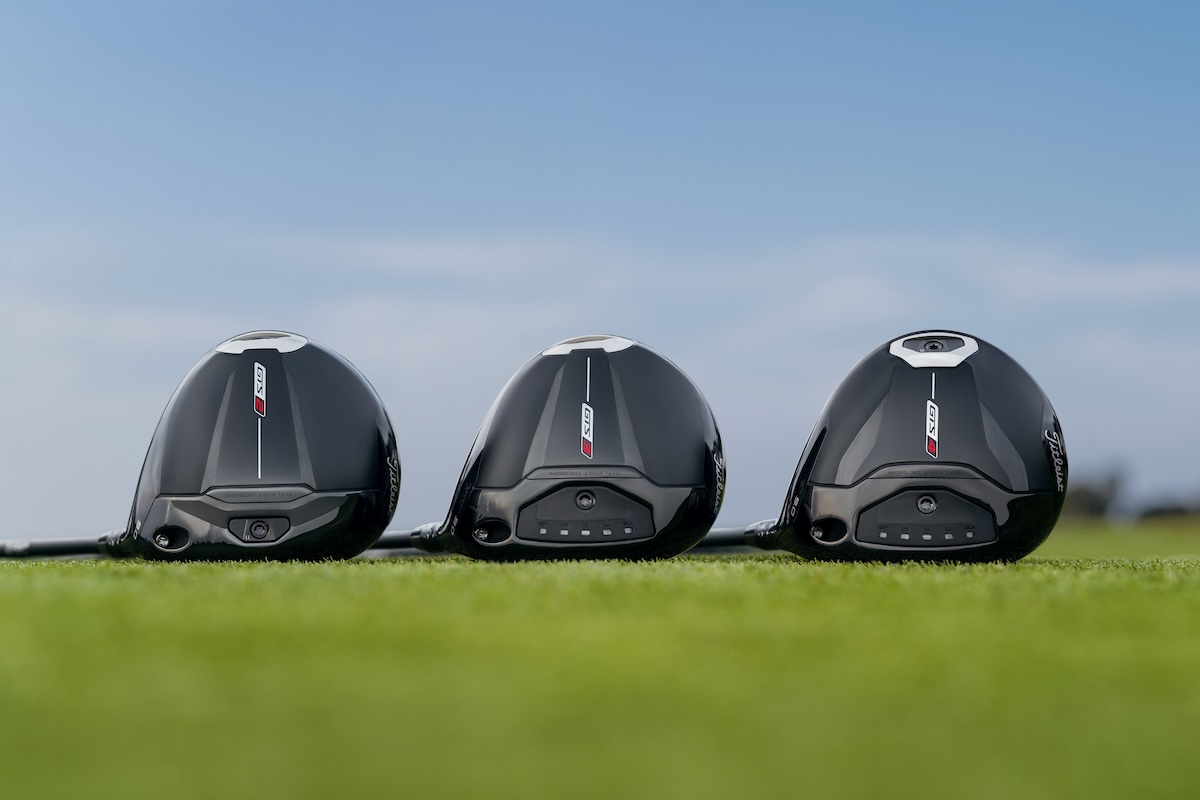









After nearly two months of pre-seeding on global tours, Titleist today pulled back the cover on its latest metalwoods.
The new GTS2, 3 and 4 drivers are the most adjustable club line ever from Titleist, thanks to increased use of Titleist’s Proprietary Matrix Polymer construction.
“When we talk about driver design, it’s never about the one feature or benefit — it’s about all of them,” said Stephanie Luttrell, Titleist’s senior director of metalwood R&D, said in a release. “Ball speed, forgiveness, spin stability, adjustability, exceptional sound and feel … these are all attributes that golfers care about. It’s our job to design a lineup that elevates performance across the board without sacrificing in key areas, and we feel we’ve done that with GTS.”
Building on the “Generational Technology” from the previous generation of GT metalwoods, the “S” in GTS adds “Speed” and “Stability” to the mix.
The drivers launched on the PGA Tour at the Texas Children’s Houston Open in March and have been gamed by more than 50 players, including Justin Thomas and Jordan Spieth. The fairway woods launched at the RBC Heritage and Cameron Young quickly added a GTS3 7-wood to his bag. Previously, there was no “3” 7-wood.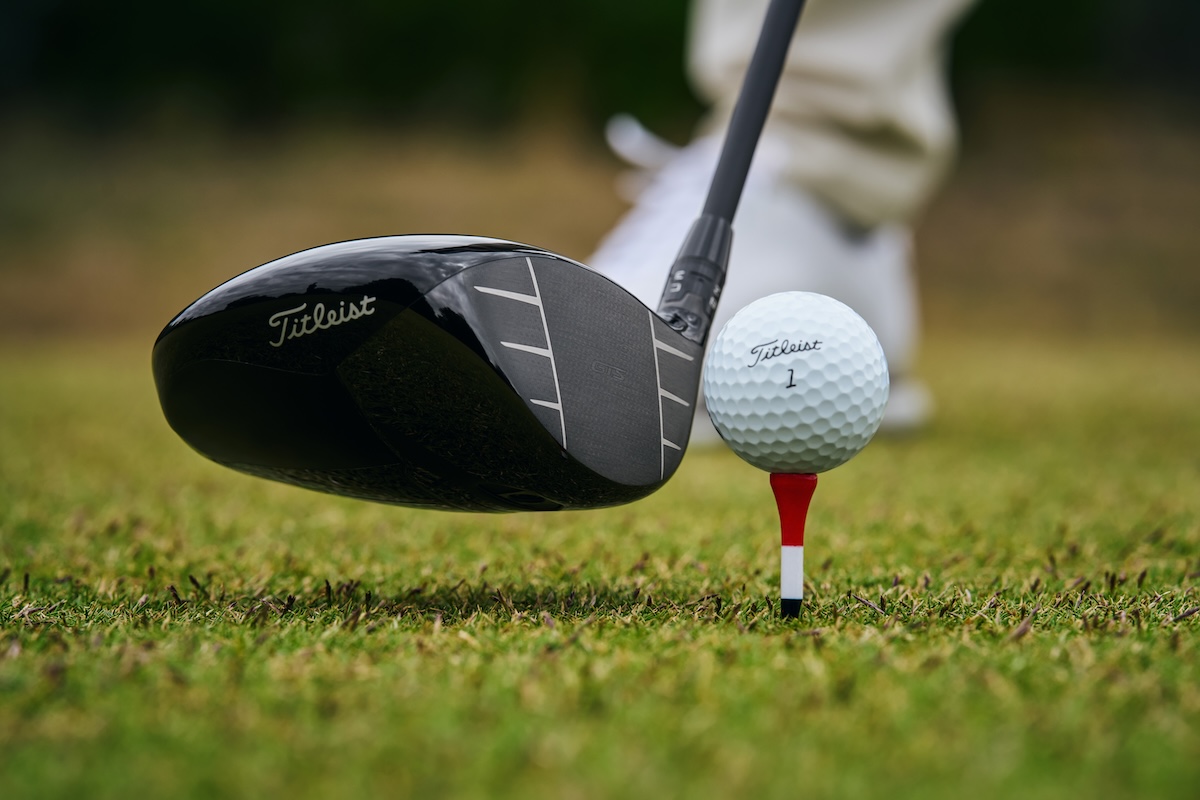
What’s new with Titleist GTS ?
Titleist’s GT drivers introduced the company’s Proprietary Matrix Polymer for the crown of the driver. For GTS, Titleist leveraged the material to make up 60% of the driver’s surface, dramatically removing weight from the middle of the head. Despite taking up 60% of the surface area, the PMP material takes up just 13% of the driver’s mass, allowing designers to re-allocate that mass to the front and back of the head.
“We’ve essentially been able to evaporate the midsection of the head,” Lutrell added. “What it’s allowed us to do is take 40 grams of titanium mass out, and now we’ve got almost 30 grams at our fingertips. In an engineering world, the more discretionary mass we have, the more we can leverage it to improve performance.”
That extra mass was split between the back of the head to increase stability and low and forward to boost speed and launch dynamics. The split-mass construction enables GTS drivers to hit both inertia targets and ideal CG positions for each head.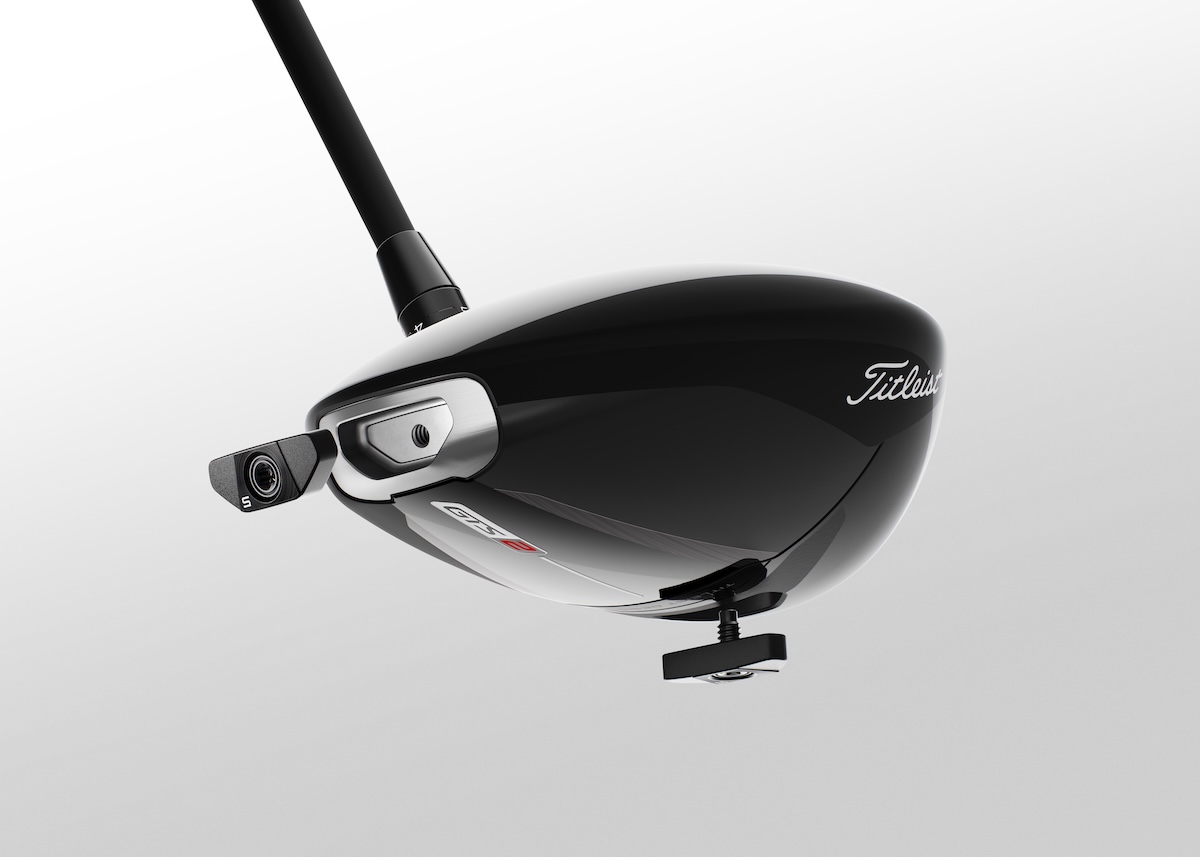
Syncing up speed
To add the “speed” component of GTS, Luttrell and the metalwoods team took aim at aerodynamics and the face of the driver. All three driver heads have new aerodynamic shapes to help reduce drag and get the club to move faster through the air. On GTS2 and GTS3, the tail end of the club is raised to keep airflow closer to the crown.
When it comes to the face, Titleist has morphed the Speed Ring of the previous generation into the new Speed Sync Face construction.
With Speed Sync, the top of the speed ring has been removed, allowing the top of the face to flex more. This is important because as driver faces have gotten taller, players have responded by hitting the ball higher up on the face.
Speed Sync gets more ball speed out of those high face strikes while also preserving spin retention. The technology is one of the things that allowed the GTS4 to become a much more playable product this generation because of the strike variability introduced by low-spin heads. The Spin Sync Face is tuned to each head to maximise performance for the unique head shapes.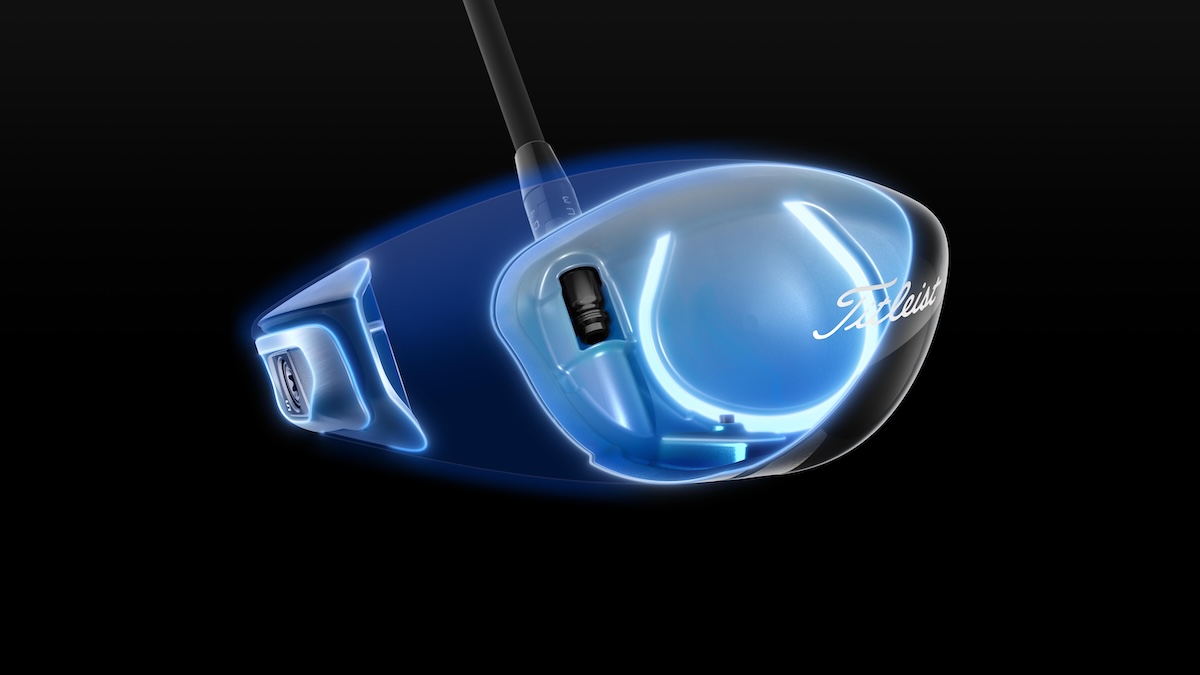
More adjustable (and fittable) than ever
With the ability to precisely control CG positions in each head, Titleist has created a CG spectrum in which none of the drivers overlap. Each driver can now move CG forward and aft for the first time.
With the heavyweight in the rear, the GTS2 is the most stable and highest launching driver in the lineup, as in years past. While moving the heavyweight to the forward position moves up the CG position, increasing speed and lowering spin, it doesn’t meet the CG position of the GTS3 with its heavyweight in the rear position.
The same line of demarcation exists between the GTS3 in the forward position and the GTS4 in the rear position. This allows the lineup to fill in all the grey areas of where the CG needs to fall for a player to perform best.
“CG depth is a fitting tool, and it’s a tool that allows us to manipulate launch and spin characteristics as well as dynamic closure for players,” Luttrell said. “The more customisation we can provide with CG, the more opportunity we have to unlock performance for players and better fit their unique needs.”
The heel-to-toe adjustable weight track from last year’s GT3 returns to the GTS3 and was added to the GTS4 to add more customisation options. While the GTS2 has two adjustable front and back flat weights, fitters can also change the weight in the tracks on GTS3 and GTS4 to move CG forward and aft.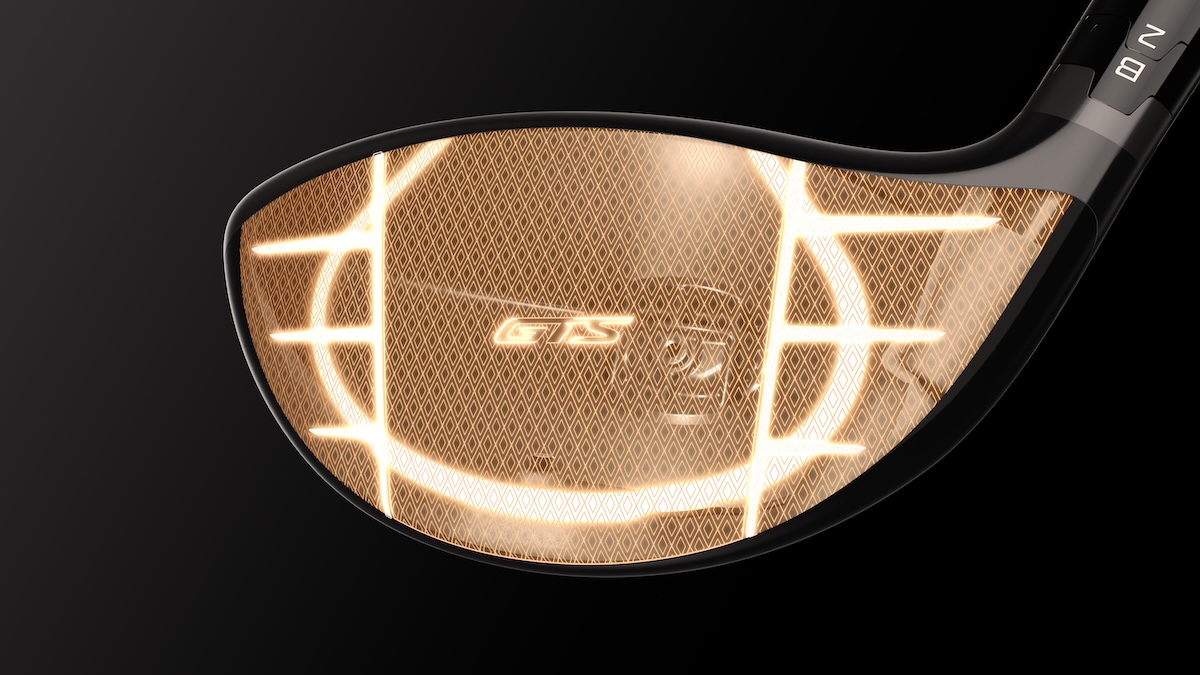
GTS4 has also become a much more useful fitting tool, having been increased in size to 460 cc. Now players can still get the low spin and forward CG performance from the “4” model, but they don’t have trade forgiveness. Luttrell said the new “4” is just as forgiving as the GT3.
All the drivers will come stock with the heavyweight forward, the fastest position, to help win ball-speed battles against other stock drivers, with the goal of a fitting dialing in the proper CG location.
The GTS Driver lineup
Titleist GTS2 driver.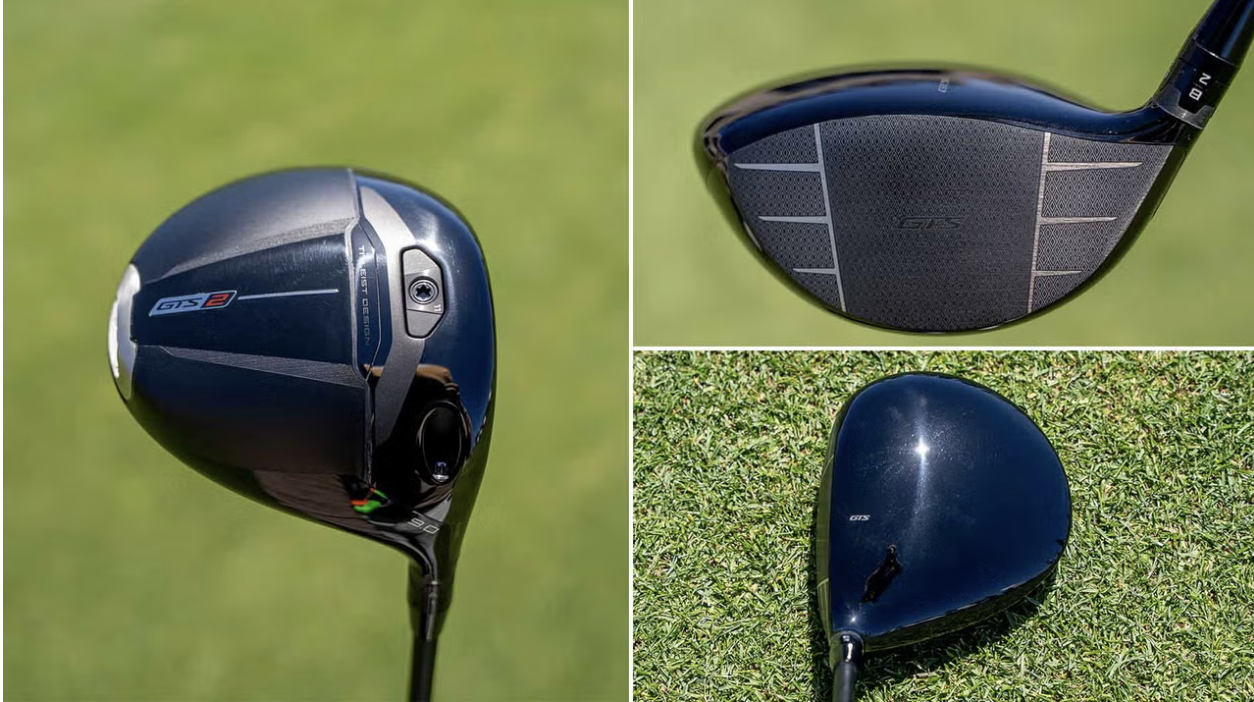
What is it: The deepest CG driver in the lineup that is the most stable. From the previous generation, the GTS2 gains CG adjustability through the use of both a front and back adjustable flat weight.
Available lofts: 8.0, 9.0, 10.0, 11.0 (RH/LH)
Who it’s for: Players seeking the most forgiving model out of the box and the highest launching. Golfers who have typically fit into traditional “max” heads will likely find their fit here with something in the rear weight configuration.
Titleist GTS3 driver.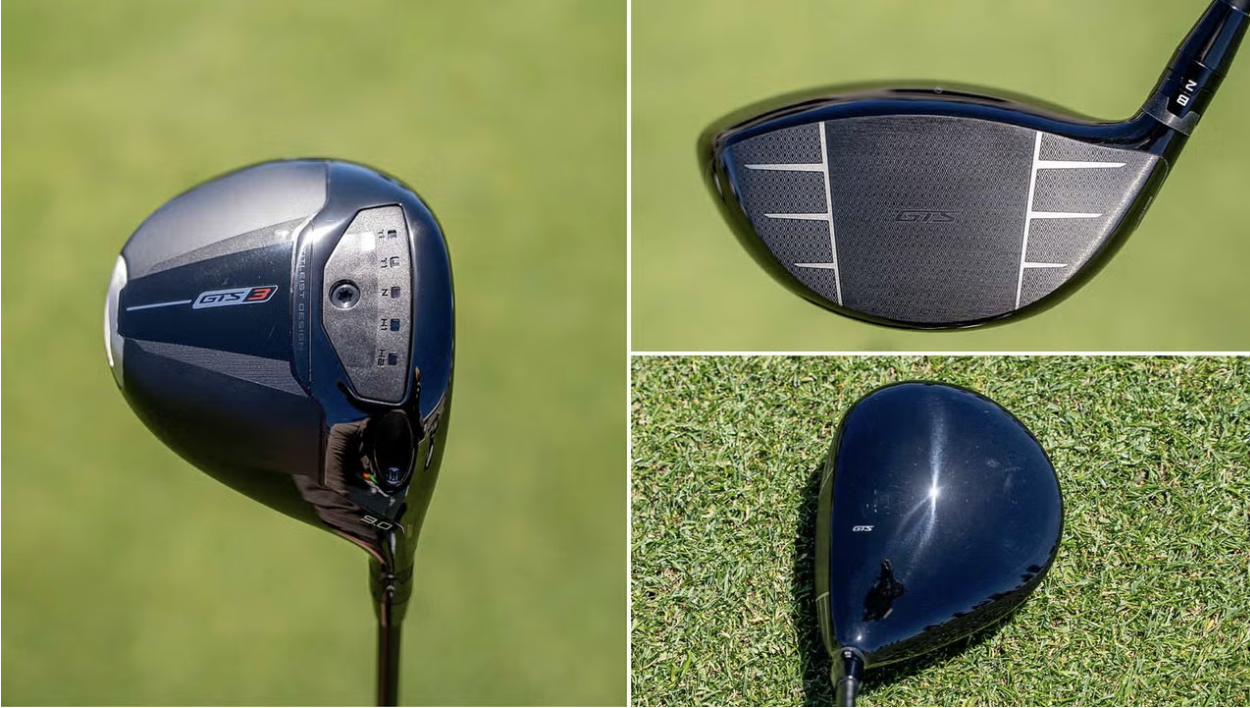
What is it: The GTS3 gains a rear flat weight to help dial in CG location in conjunction with the adjustable forward heel-toe CG track. As in years past, the 3 model offers a more compact shape and deeper face compared to the GTS2 and still has heel-to-toe CG adjustability. The GTS3 offers a front-to-back CG location in between what can be achieved by GTS2 or GTS4.
Available lofts: 8.0, 9.0, 10.0, 11.0 (RH/LH)
Who it’s for: Players who want a lower-spinning, precise driver off the tee and perform best with a middle-CG location.
Titleist GTS4 driver.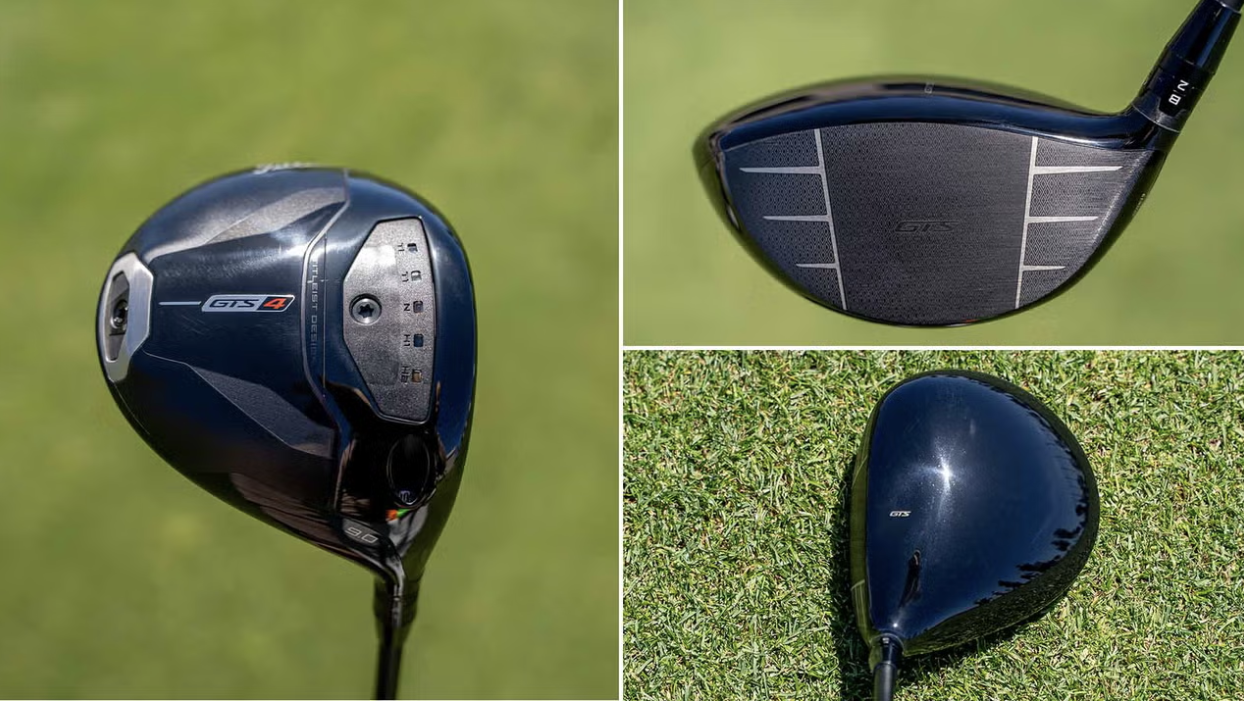
What is it: The lowest-spinning and fastest driver in the lineup has been completely redesigned and increased in size to 460 cc to add forgiveness. It still offers the most forward CG of any Titleist driver and gains the adjustable heel-to-toe CG track of the “3” model. Like the GTS3, front-to-back CG can be adjusted using the rear flat weight and the forward CG track. The new, larger shape is designed to look similar to the TSi3 from 2020.
Available lofts: 8.0, 9.0, 10.0 (RH/LH)
Who it’s for: Players who need maximum spin reduction but who do not want to trade forgiveness to get it.
Our Take
Titleist have advanced an outstanding platform that was GT and made it better in every meaningful way. GT was just as fast as anything else on the market. All GT drivers already had adjustable weighting to change swing weight with two models offering CG adjustment. Now all of the models have adjustable CG and two of the three can move it heel to toe.
With GTS, the fitting combinations are outstanding, and it truly makes it a platform that can be fit to almost anyone. When you see a club pick up as much conversion as it has on Tour, in the middle of major-championship season, there’s obviously something good happening.
Titleist was so excited to bring this driver out that they moved the launch up months because they knew they had something. Now they get to benefit from launching the newest driver on the market just as we hit the peak Major and summer season, when us golfers want to buy clubs.
NEW GTS drivers are available for fittings and pre-sale now at McGuirks and will be in Titleist stockists around Ireland beginning June 11th. They will have an RRP of: €729 (standard shafts) or €949 (premium shaft options)













Leave a comment