
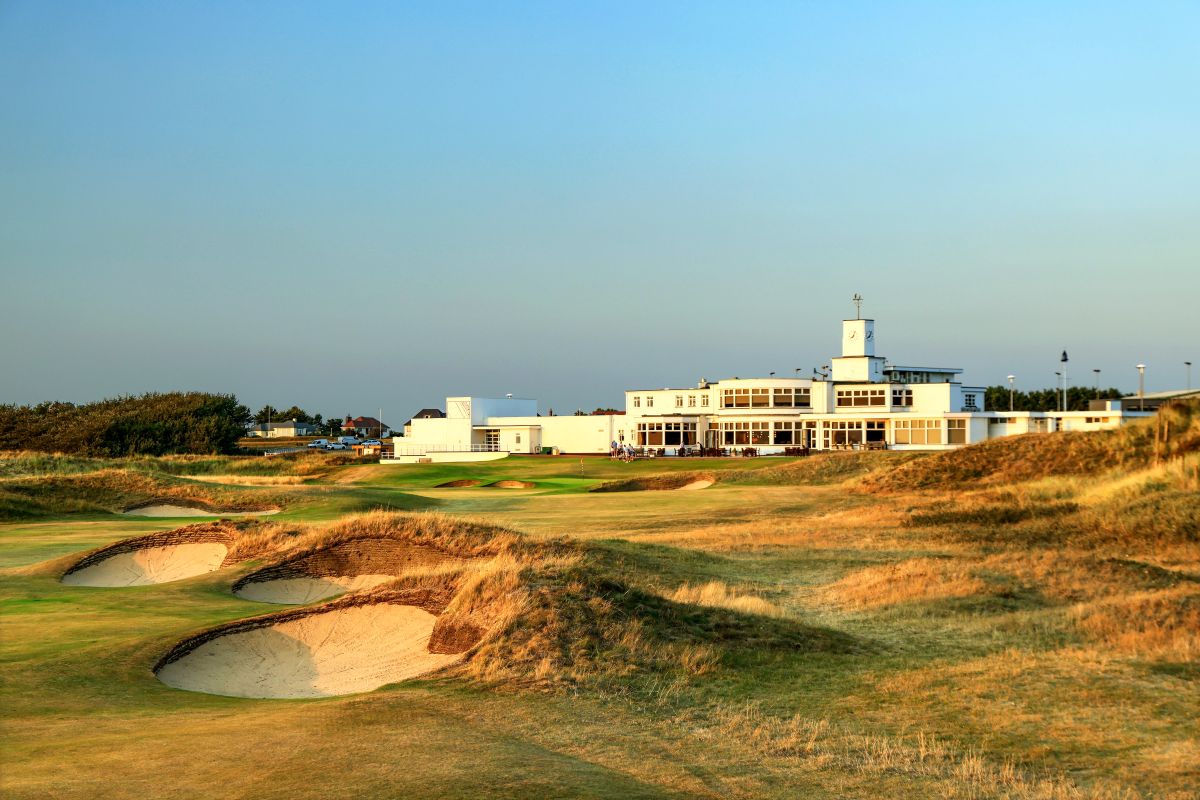









In the nine years since Jordan Spieth’s dramatic victory in 2017, Royal Birkdale has undergone a significant series of renovations, with all 18 holes touched. The most conspicuous of these changes come on five holes, including the creation of two entirely new holes and two of the existing holes being incorporated into one.
The first of these new holes comes early in the round.
The 5th – Par-4, 321 yards
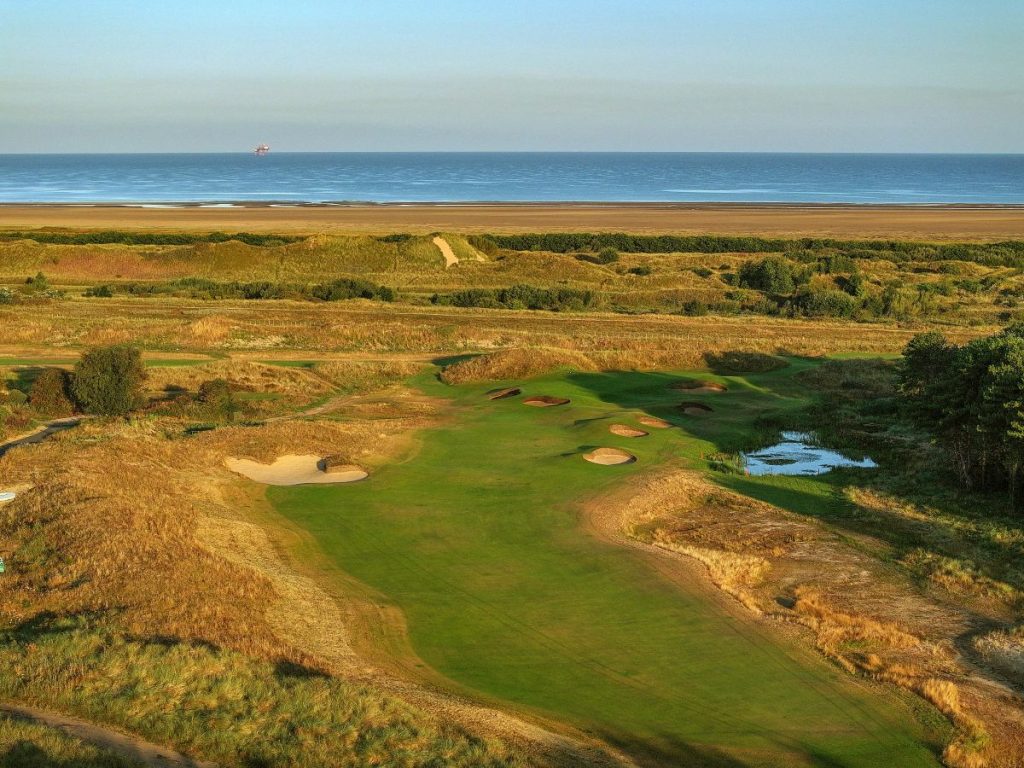
Though the new and short par-4 5th occupies roughly the same patch of the land as the old fifth, the green and fairway are in entirely different positions and the hole measures 25 yards shorter. It still retains the risk/reward element that the old fifth possessed, but the green is much more heavily guarded by bunkers for those taking it on off the tee when the wind is favourable, and the new green has much more severe run-offs to the right, left and back than the previous one.
The 7th – Par-3, 151 yards
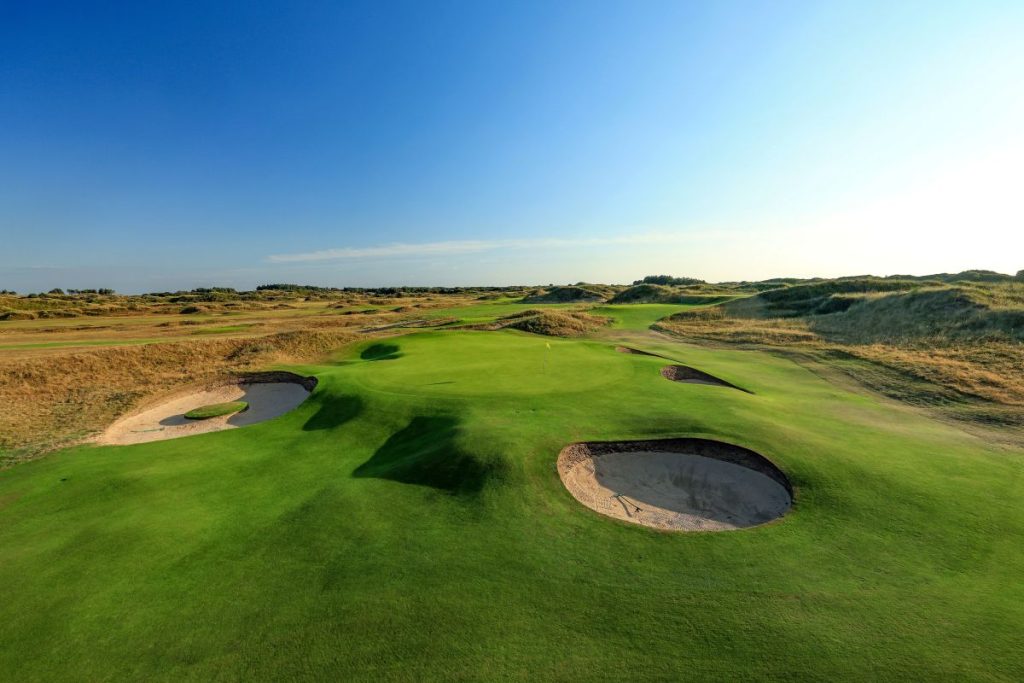
The old 7th was the shortest hole on the course, and that hasn’t changed. In fact, it’s now 26 yards shorter. What has changed most significantly, however, is the green, which is new, raised, heavily contoured, and surrounded by some of the most dangerous bunkers on the entire property.
Missing the green on any side will leave an extremely tough up-and-down, and missing on the wrong side will make saving par near impossible.
The iconic ‘donut’ bunker on the left-side of the green remains, though in a slightly different shape.
The 14th – Par-5, 602 yards
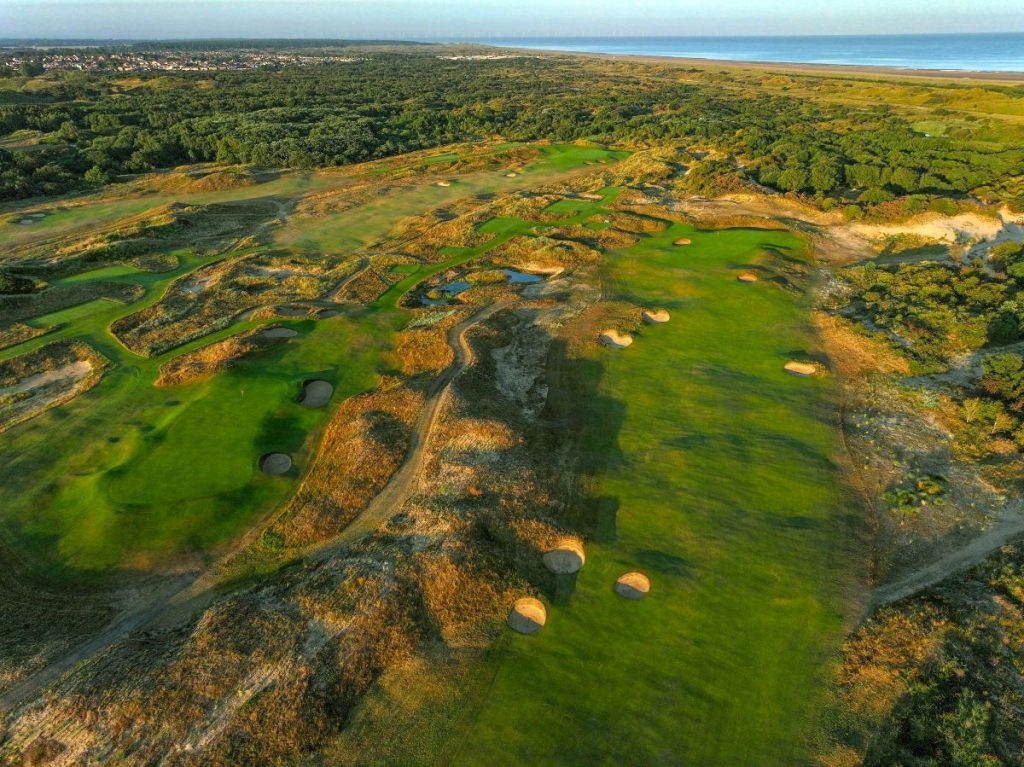
What used to be the par-4 15th is now a redesigned par-5 and plays as the 14th hole. Deep fairway bunkers – two on each side – put a premium on accuracy for anybody wishing to take on the green in two, while several more dot the layup areas and two more await at the small, undulating green; one short right that will leave a difficult 40-plus-yard splash depending on pin location, and the other greenside to the left with steep runoff areas either side. Expect eagles and double bogeys and worse over the course of four days here.
The 15th – Par-3, 241 yards
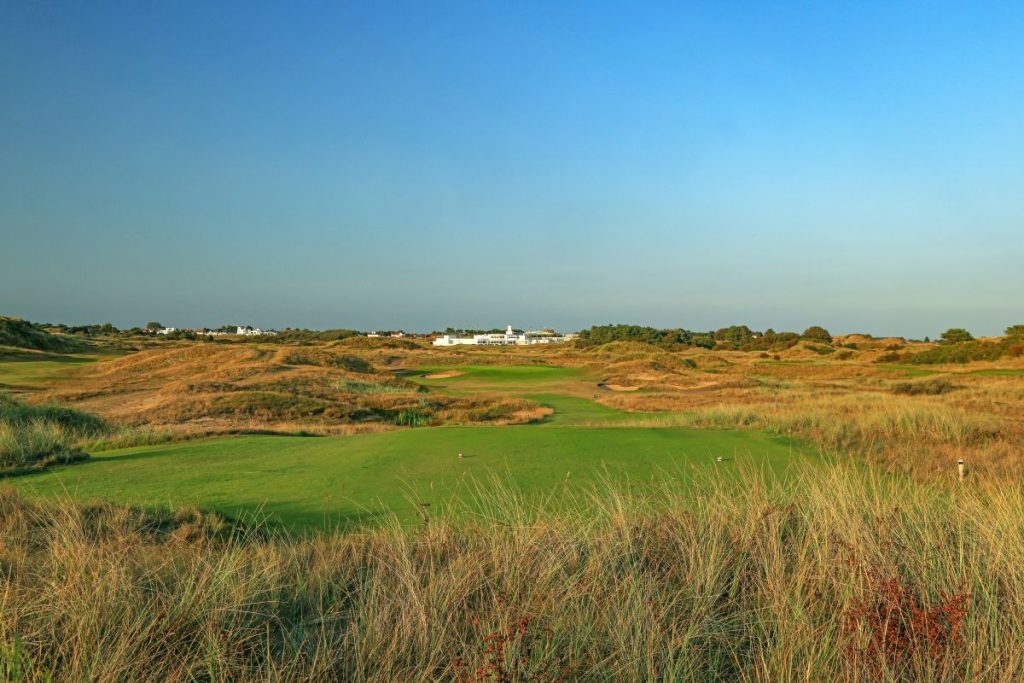
The second entirely new hole will be the final par-3 and the longest of the four. Though the green is actually the largest of the 18, it slopes from front to back and the hole typically plays downwind. And from the tee, the two bunkers guarding the left side and the steep runoff to the right make it look much smaller than it is.
This is a hole where pin location and wind will play a major part, and most players will gladly take a par and run to the next tee box.
The 18th – Par-4, 508 yards
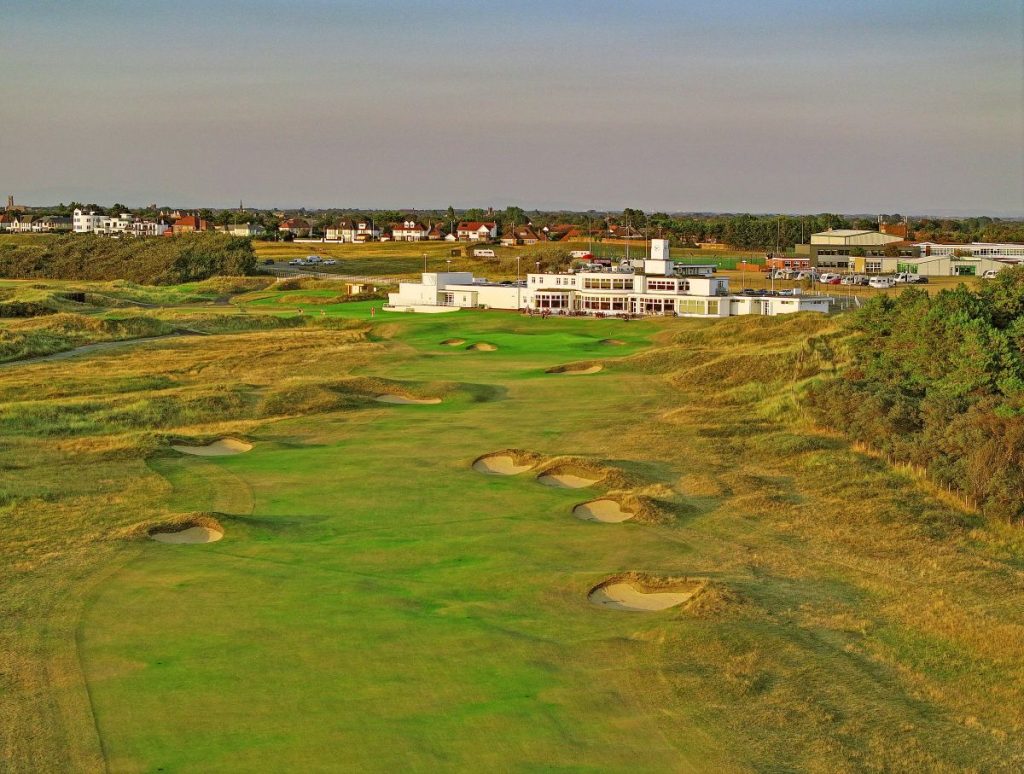
The final hole of a major championship venue should guarantee drama, and that’s exactly what you get at Royal Birkdale. Previously, the hole doglegged from left-to-right, meaning longer hitters could safely carry the fairway bunkers and get the ball landing soft on the fairway. Now, with the tees moved significantly left, the hole plays straight towards the clubhouse, and the narrow fairway is lined with bunkers – some worse than others – making it one of the most intimidating tee shots on the course.
Hitting driver requires you to thread the needle between the sand, but opting to layup short of the traps leaves you with a long-iron or fairway wood into the green, depending on wind direction. Needing a par for the Claret Jug and getting too greedy could easily see you walking off with a double bogey and the Open Championship lost.













Leave a comment