
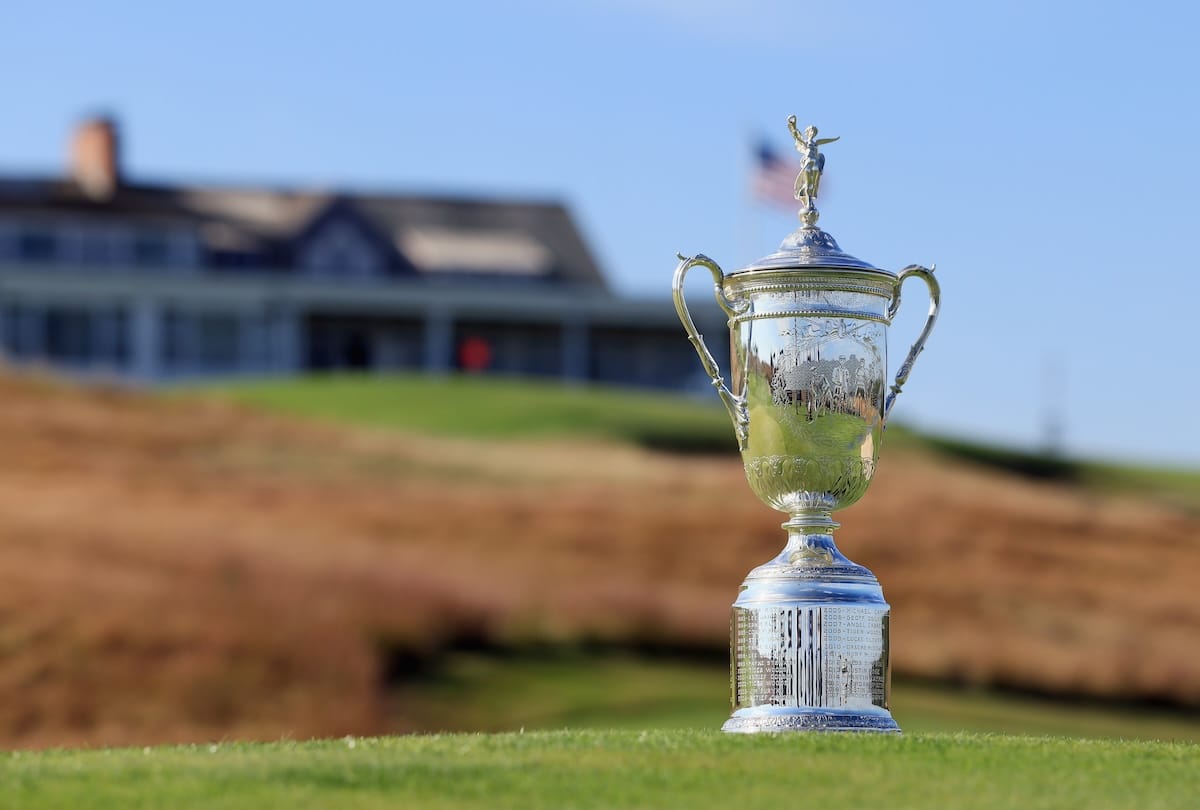





The USGA’s showpiece event seldom fails to deliver, and there is never a shortage of pre-tournament talking points. We delve into six of the biggest storylines ahead of the return to the site of the most infamous U.S. Opens in recent memory.
1 – Shinnecock Hills. Beauty, or beast?
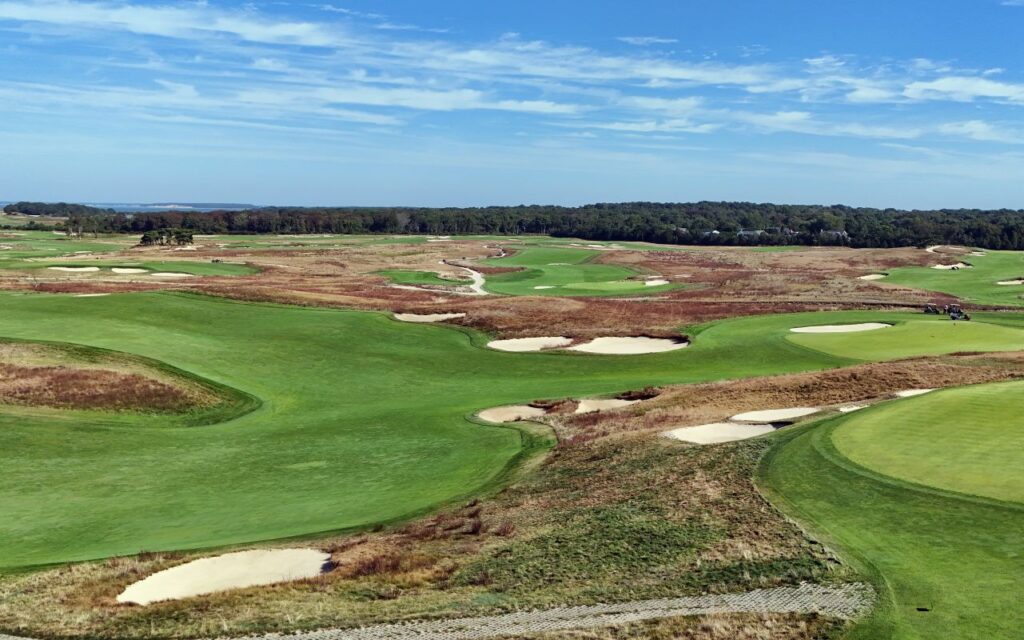
If it’s another week of dry, sunny, and breezy conditions, it’s interesting to see how close to the line the USGA will be willing to push it.
With its golden fescue-lined fairways, dramatic and tumbling topography, large and omnipresent bunkers, and holes that veer off in every direction, there’s no doubt that Shinnecock Hills is pleasing to the eye.
On New York’s Long Island, it’s as close to a British or Irish links course as you’re likely to find in the United States, and for the purist, that alone is enough to grant beauty status.
But that sandy terrain, with fairways that tilt left and right and meander up and down, and greens that slope severely, typically run lightning fast, and feature sharp, shaved edges with devilish false fronts, makes it a challenge at the best of times. Couple that with the USGA’s tradition of providing the sternest test to the game’s most accomplished players, and there is the potential for the beauty to be overshadowed by the beast.
In 2004, prior to the Bill Coore and Ben Crenshaw restoration that saw the removal of thousands of trees, the widening of fairways, and the expansion of many greens, Retief Goosen won at -4, with Phil Mickelson on -2. They were the only two in red figures.
The USGA decided not to water the course in the two weeks leading up to the tournament, and the easterly wind that swept in off the Atlantic held just enough moisture to keep the course from drying out completely. That changed on the weekend, and the northerly breeze was strong, relentless, and bone dry.
The course became almost unplayable, and the reaction from the players was anything but pleasant.
By the time the U.S. Open returned in 2018, the restoration project had seen irrigation systems updated so that the specific areas it was needed most could be targeted, the grass type had largely changed to be more hard-wearing, and the expanded greens allowed greater scope for pin placements.
The USGA claimed they had learned their lesson from 2004, the players in 2018 would claim otherwise.
Brooks Koepka’s winning score was five strokes higher that Goosen’s, Zach Johnson famously suggested that the USGA had lost the golf course, and Phil Mickelson infamously decided to hit a moving ball after a missed putt, rather than watch it roll off the green, opting for a two-stroke penalty instead.
The common themes from 2004 and 2018: drought-like conditions and the USGA’s refusal to water the golf course.
Since then, the governing body’s setup has been more kitten-like than full-blown Tiger. The winning score has been in red figures in each of the seven U.S. Open stagings, three of those reaching double digits under-par. Even Oakmont last year – a course widely regarded as being the toughest in the entire country – had a one-under winning tally.
If we get rain, it’ll likely be a moot point, but if it’s another week of dry, sunny, and breezy conditions, it’s interesting to see how close to the line the USGA will be willing to push it.
2 – The Scottie Career Grand Slam?
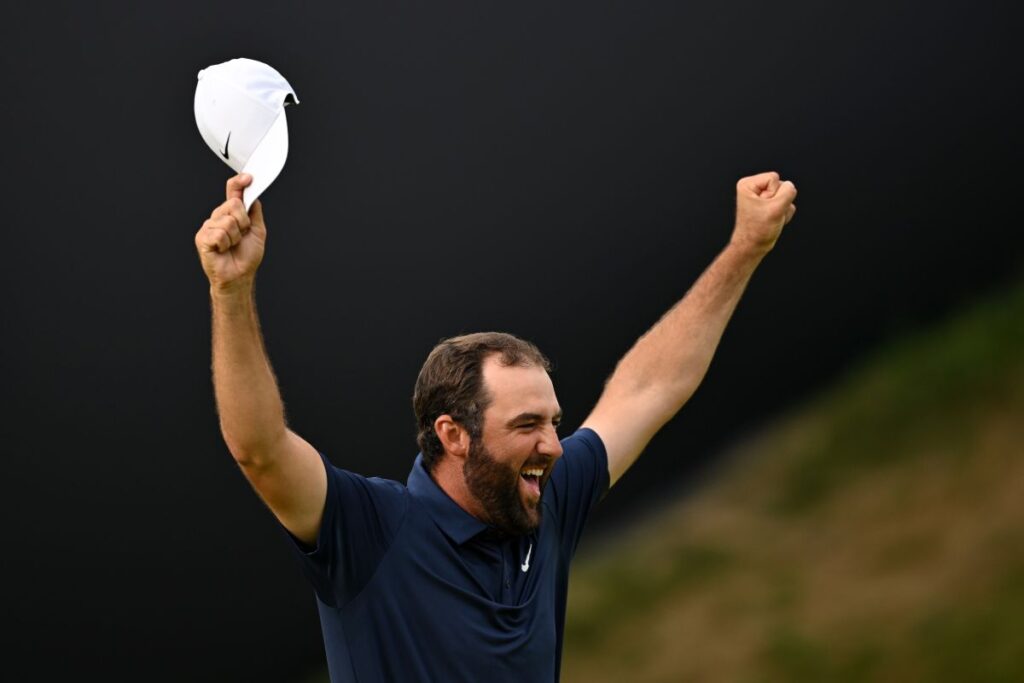
He’s still the man to beat at Shinnecock Hills. But being the man to beat doesn’t mean you can’t be beaten.
The world number one is gearing up to make his first pass at joining Rory, Tiger, Jack, etc. in the Career Grand Slam winning club.
His impressive streak of top-10 finishes on the PGA Tour is not slowing down – seven from 11 this year, with a worst finish of T24 – but the victories have dried up. Winless since his opening event of the season, he’s been breathing down the necks of Chris Gotterup, Matt Fitzpatrick, Cameron Young, and Wyndham Clark on the back nine of a championship Sunday and failed to reel them in.
He came close to catching McIlroy at Augusta National having been 12 behind at the halfway mark, but in the end, came up short there too.
He leads the PGA Tour in scoring average, and Strokes Gained: Total, and Tee-to-green, and has been steadily trending back towards the business end of the Approach category, where he’s been the undisputed number one for four seasons running.
Despite an uncharacteristically poor display on the greens at Aronimink, he’s inside the top 15 in Strokes Gained: Putting as well and is fourth in Strokes Gained: Off The Tee despite only ranking 30th in Driving Distance.
So, winless streak aside, he’s still the man to beat at Shinnecock Hills. But being the man to beat doesn’t mean you can’t be beaten.
If the big Texan has a weakness, it’s that he struggles to accept unfortunate outcomes and unpredictability. But that didn’t stop him romping to success at Royal Portrush last year – the style of course where you have to roll with the punches.
It’s hard to imagine Scheffler’s Career Grand Slam quest being the sort of decade-plus talking point that McIlroy’s was or Spieth’s is, but that he’ll convert a 36- or 54-hole lead at Shinnecock is not quite the cut-and-dried formality that it would’ve seemed 12 months ago.
Still, finish ahead of him and there’s a good chance that you’re hoisting the trophy on Sunday evening.
3 – The Irish golden oldies
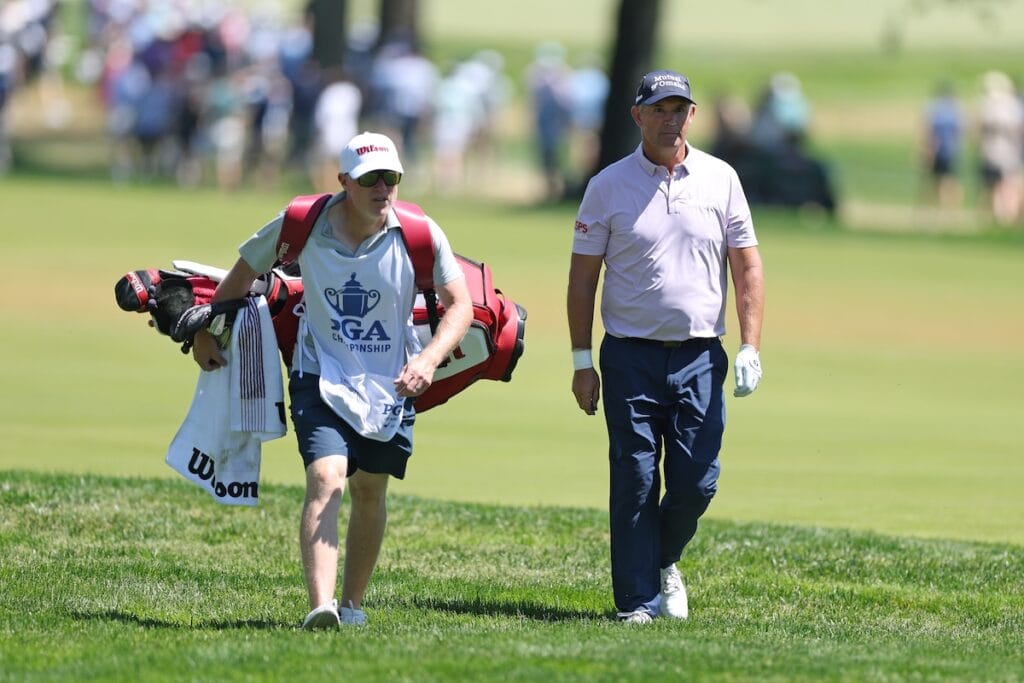
With a winning score in low single digits, it brings the grinders to the fore, and there are still few better exponents of the grit and determination than Harrington.
Pádraig Harrington’s win at last year’s U.S. Senior Open meant that the 54-year-old would compete in his 18th USGA showpiece event. In 2023, after a nine-year absence, he finished tied for 27th at L.A. Country Club on a firm and fast layout, and he’ll be praying for similar conditions on Long Island.
His T18 finish at Aronimink was his best major finish since the 2021 PGA at Kiawah Island, and it’s no surprise that these two championships have been among the toughest in recent years.
He admits that on a setup where you need to make 30 birdies over four rounds and the winning score is around 20-under, he can’t compete. But with a winning score in low single digits, it brings the grinders to the fore, and there are still few better exponents of the grit and determination than Harrington.
Phil Mickelson was almost 51 when he won at Kiawah, so were Harrington to somehow win at Shinnecock, he’d push the bar out by almost three years. It’s a long shot, and the bookmakers’ odds reflect that, but he still believes that he’s got one more major run in him and if he’s right, this is exactly the sort of examination he could excel at.
G-Mac is eight years younger, and still more than three years away from being seniors golf eligible, so putting him in the ‘golden oldies’ category might be a bit of a stretch.
He hasn’t played in a major championship since 2020 and has missed the cut in five of his last six U.S. Open appearances, including the one at Shinnecock in 2018.
But he’s quietly putting together the most impressive LIV Golf campaign he’s had since joining in 2022, and the field he had to contend with in Dallas at Final Qualifying – he finished tied for fifth with nine spots available – was no joke.
Like Harrington, there are major venues that he simply can’t compete at, but Shinnecock Hills is not one of them. As one of the shorter hitters in the field though, he’ll have to find the fairway, and even then he’ll be hitting longer clubs into the greens than most, so his long game needs to be on point and then his putting and short game have to be back to the standard that saw him become one of the world’s best.
That’s a tall order on any week, but on a major championship week, it’s tougher still.
Making the cut would be a major success in itself, but, like Harrington again, he’s got grit and determination in spades and if he finds himself with a weekend tee time, there’s no reason why he couldn’t continue to plot his way around and finish inside the top 25.
4 – Rory’s driving
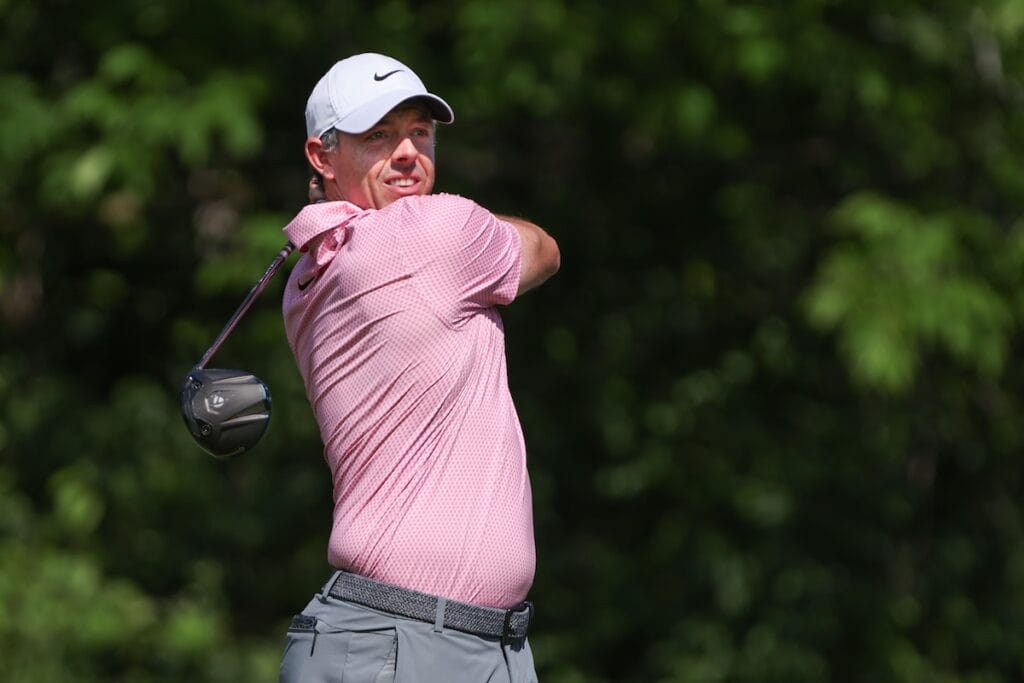
The ‘little boy lost’ he resembled at Shinnecock back then has been replaced by a man with a warrior spirit, who recognises that the tougher it gets, the more it plays into his hands.
For most of McIlroy’s career, the idea that his major chances could hinge on his performance with the ‘Big Dog’ was laughable, but that’s where we find ourselves in 2026.
He won the Masters with his B-minus game off the tee and had a chance with nine to play on Sunday at Aronimink having driven it as badly as he could for a round and a half.
Comparing the current version of Rory to the one that missed the cut at Shinnecock in 2018 is like comparing chalk and cheese, however. It’s not that he wasn’t in form in 2018 – he’d finished fifth at Augusta National, second at Wentworth, and tied for eighth at the Memorial Tournament – but he’d missed the cut in his previous two U.S. Opens and openly admitted that the style of golf required didn’t suit him.
That was then, this is now.
His record since 2018 reads T9, T8, T7, T5, 2, 2, T19, with the latter coming at Oakmont last year as he struggled to regain his mojo in the wake of his career-defining Masters win.
The ‘little boy lost’ he resembled at Shinnecock back then has been replaced by a man with a warrior spirit, who recognises that the tougher it gets, the more it plays into his hands because, simply put, he’s a better golfer than just about everyone else.
But like Aronimink, to score well at Shinnecock, you’re going to have to put the ball in the fairway more often than not, and even then, angles will matter.
He drove it well on Friday and Saturday at the PGA, and it was those two rounds that put him in position, but he drove it poorly on Thursday and Sunday, the former meaning he was playing catchup from the off and the latter meaning he couldn’t get his nose in front and start to exert the pressure that seeing ‘MCILROY’ at the top of the leaderboard does.
Having the confidence that you can still contend without your best weapon firing is great, but it puts a lot of pressure on the other facets of your game. They’ve been more than holding their own thus far, but a little more help with the driver would go a long way towards a seventh major title.
5 – Will the New York crowd play a part?
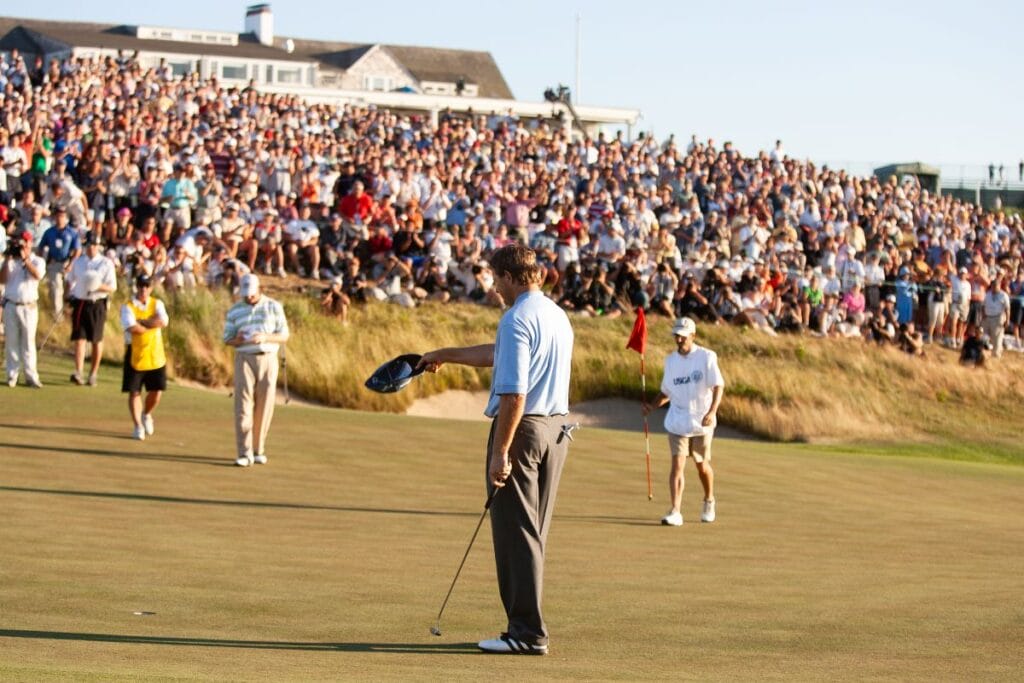
The fans will be desperate to have a big gun showdown and if there’s an American involved, they’ll make no secret of who they’d rather win.
Less than nine months ago, the hostile atmosphere the Europeans were going to be subjected to at Bethpage Black was a common pre-Ryder Cup talking point. During and after, it dominated the narrative. Shinnecock Hills might be the best part of an hour’s drive from Farmingdale, but it’s on the same island, in the same state, and will likely have many of the same fans on site.
Okay, there’s no clear ‘us versus them’ line in a U.S. Open, but the 2004 edition at Shinnecock saw Retief Goosen heckled by the Phil Mickelson-favouring crowd. Colin Byrne, who was Goosen’s caddie at the time, declared that this only added fuel to the South African’s fire, but the outcome and the intent were very much at odds.
Each subsequent major on the Big Apple’s outskirts has gone to an American – Mickelson winning at Baltusrol in 2005, Lucas Glover taking the ’08 U.S. Open at Bethpage, and then Brooks Koepka winning at Shinnecock and Bethpage in back-to-back years in ’18 and ’19 – so the crowd’s receptiveness to a foreign invader hasn’t been truly tested, but the lingering effects of the Ryder Cup have been felt on numerous occasions this year.
Twice, Matt Fitzpatrick has been subjected to jeering and chants of ‘U.S.A., U.S.A., U.S.A.’ when battling first Cameron Young at TPC Sawgrass and then again at Hilton Head when he squared off against Scottie Scheffler at Harbour Town.
Rory McIlroy had a fan ejected from Aronimink for jeering and chanting those same three letters when he fluffed a pitch shot into the bunker during the final round.
Isolated incidents they may be, but they weren’t on New York soil, and they weren’t in the U.S. Open. National Opens have a way of instilling domestic pride in crowds that other tournaments typically don’t.
Having watched Aaron Rai upset the apple cart and win the PGA, the fans will be desperate to have a big gun showdown and if there’s an American involved, they’ll make no secret of who they’d rather win.
It won’t be anything like the Ryder Cup, but it doesn’t even have to be close to still be a step too far.
6 – Lowry and the other sub-plot characters
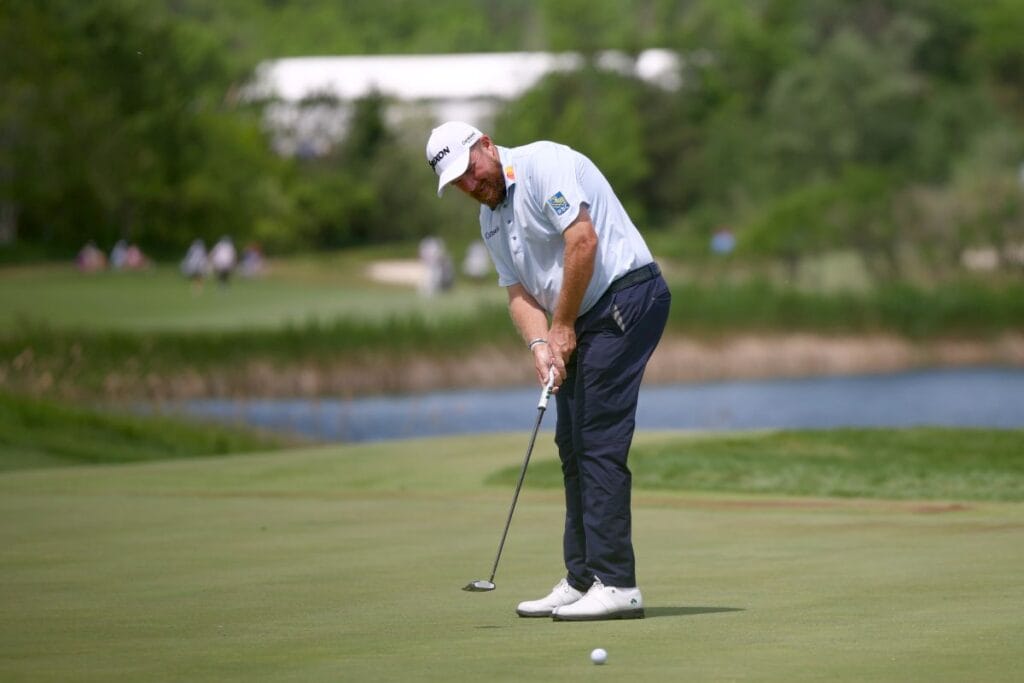
The great thing about golf is that one week can change the narrative entirely.
Scheffler and McIlroy may be the pre-tournament favourites, but in the ‘Big Two vs The Field’ market, the field is favoured.
Jon Rahm’s return to major form at Aronimink was no surprise, and his presence will be expected on the leaderboard again at Shinnecock Hills, as will Cameron Young’s, Xander Schauffele’s and Ludvig Åberg’s.
Two-time U.S. Open champion Bryson DeChambeau is a different story. He was expected to contend at Augusta National but missed the cut thanks to a calamitous 36th hole, and he was a non-factor from early on at Aronimink. His ability to hit it long and straight off the tee is unrivalled, but his iron play and short-game inconsistency cost him in the biggest events to date this year. If he gets off to a hot start, he’ll send the crowd into a frenzy and could ride the wave of momentum all the way to Sunday afternoon. That’s a big ‘if’, though.
Shane Lowry hasn’t fared particularly well at the U.S. Open since finishing runner-up to Dustin Johnson at Oakmont in 2016, and he was among those who missed the cut at Shinnecock in 2018.
As one of the game’s premier iron players, a tough setup where accuracy and distance and spin control are at a premium should suit him, but the same could be said for Aronimink where he allowed his frustrations to get the better of him once again.
For a player who excelled in the white head of Ryder Cup battle, Lowry’s seeming inability to handle adversity recently in regular tournament golf is hard to fathom, but if he can manage to accept that, like everyone, he will make mistakes, receive bad bounces, and just go out and play the golf course that’s presented to him, it would be no surprise to see him start Sunday with a late tee time.
Other big-name players who need to stand up and be counted include Tommy Fleetwood, runner-up here in 2018 courtesy of a final-round 63, five-time major champion Koepka, and Matt Fitzpatrick.
Fleetwood, started the year as the third-ranked golfer in the world, had a midfield-finish at the Masters and missed the cut at the PGA, while Koepka has been playing the sort of PGA Tour golf we expect without being his stone-cold killing self in the majors.
Fitzpatrick, despite winning three times on the PGA Tour including one under the pressure of having his brother’s PGA Tour status on the line, has been respectable at the majors but not spectacular and respectable simply doesn’t get the job done.
You can say the same about Viktor Hovland, Patrick Cantlay, and at least a dozen others, but the great thing about golf is that one week can change the narrative entirely.









Leave a comment