







“Golf is a game that is played on a five-inch course – the distance between your ears.”
Variations of this quote have been re-issued and re-attributed, but the common consensus is that it was Bobby Jones who said it first, and over 54 years after the seven-time major winner and Augusta National founder’s passing, the quote remains as relevant as ever.
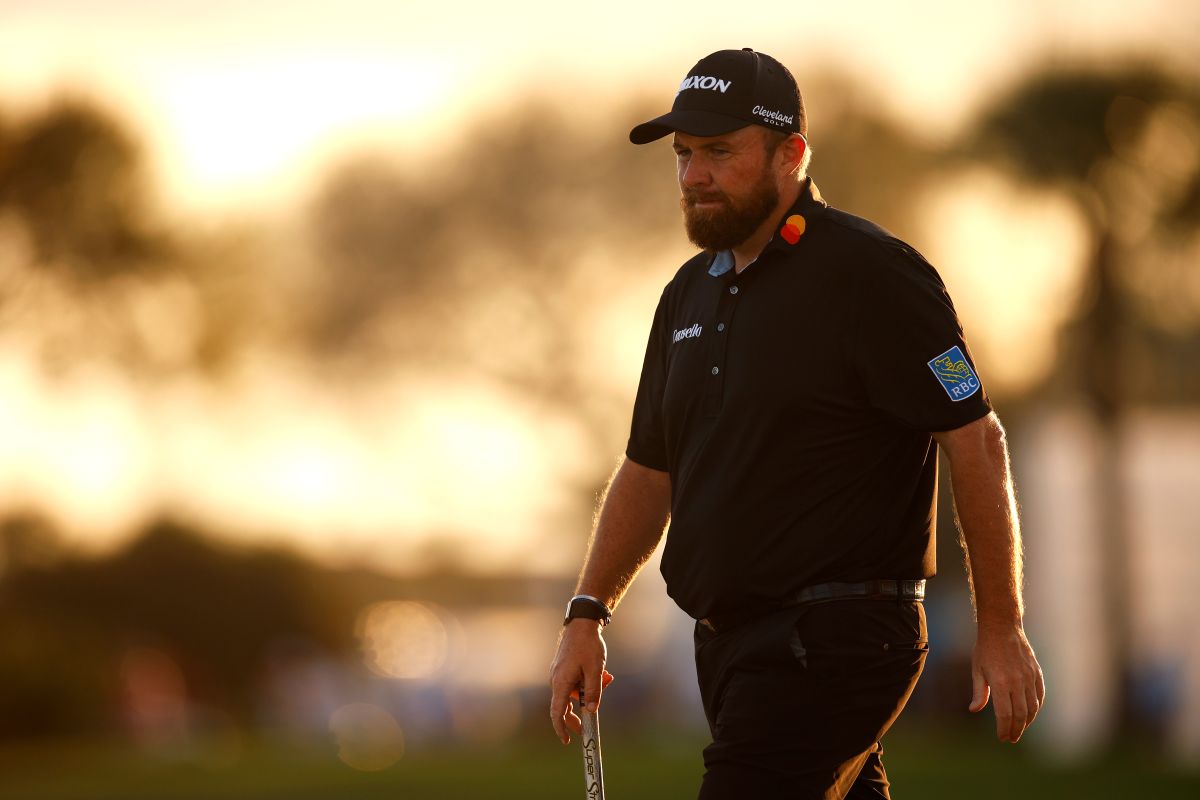
Last night at the Cognizant Classic, it wasn’t the 7,223-yard PGA National Course that got the better of Shane Lowry, it was those five inches Jones spoke of; five inches that, in the white heat of battle, stretched out in front of the Offalyman like a vacant highway across the desert.
Back in September, Lowry stood in the 18th fairway at Bethpage Black having just watched Russell Henley stick his approach to 10 feet. With the European team on the ropes as the Americans launched an impressive final-day comeback, the half-point that a Lowry win on the final hole would deliver had taken on gargantuan importance.
Ask any golfer who’s played in the Ryder Cup and they’ll tell you – the pressure is not even remotely comparable to playing for yourself. In that moment, in Lowry’s mind, the entire fate of the European Ryder Cup team rested on his shoulders, and in that moment, he delivered.
His approach shot to six feet turned the screw on Henley, and one of the best putters on the U.S. side inexplicably didn’t even get his 10-footer to the hole. But that was only part one completed. Part two required Lowry to hold his nerve and jar his own putt. We all know what happened.
The big man for the big moment.
Lowry later admitted that he’d practically blacked out when the putt dropped, but his wild celebrations will live long in the memories of all those watching. Now, how do those watching reconcile that that was the same Lowry who spontaneously combusted over the closing stretch at PGA National?
It’s hard to.
Especially considering how in control he’d looked up to that point.
But that’s what golf can do. Even the best rounds are akin to a house of cards, and one bad swing can be like removing a card from the base – it all comes crashing down. And anybody who’s played the game can relate. Whether you’re on course to break 100 for the first time, on course to break par for the first time, on course to beat your dad or older brother for the first time, or on course to end a seven-year (solo) winless drought on the PGA Tour, those final five inches are the toughest to conquer.
We saw it with Rory McIlroy at last year’s Masters when he inexplicably dumped his third shot into the Tributary to Rae’s Creek on the 13th and saw his commanding lead whittle away in rapid fashion. Fortunately for Rory, he had enough time left to reconstruct his house of cards, but even then, he was constantly battling those same five inches every step of the way home.
It’s not like Lowry’s game totally disintegrated either, that’s the toughest part. His up-and-down from the bunker on 16 to save double bogey and preserve a one-stroke lead was as impressive as any up-and-down we saw all week given the circumstances, but to then stand on the 17th tee – a daunting tee shot at the best of times – and watch his nearest challenger hole a birdie putt up ahead was a killer.
It’s not like Nico Echavarria played every shot perfectly either. He might’ve been taking dead aim at the flag on 17, but more likely, he was aiming 10 or 15 feet left and pushed it a good 25 feet to the right. But it’s in these fine margins that golf tournaments are won and lost, and Lady Luck was smiling on the Colombian as he just about found dry land. And you just knew he was going to hole that putt.
None of this is any excuse for what followed from Lowry, but it’s an explanation.
The big question now is whether he can come back from it.
It’s not like this is the first time it’s happened either, though the previous near-misses weren’t quite as spectacular as the collapse this time around.
At last year’s Truist Championship, he faced a 20-footer to secure a playoff at least and three-putted. But 20-footers aren’t putts you can realistically expect to hole, and when leaving it short is the worst of crimes, running it six feet past was the better of two evils. That he missed the putt back and removed every ounce of pressure from Sepp Straka’s four-footer was costly, but probably not at victory’s expense.
At this year’s Dubai Invitational, he took a one-stroke lead to the final tee, believing – not unreasonably so – that par would be enough. A pulled 9-iron and a heavy-handed bunker shot that rolled through into the hazard blew up his chances there, though Nacho Elvira birdieing behind to win outright actually spared his blushes a little.
There have been other instances, but fresh wounds bleed heaviest, and the only way to adequately heal scars of this magnitude is to put himself back in a similar situation and banish the ghosts. His play over the past two years suggests he’ll get plenty of chances, but there are no guarantees.
Take Martin Kaymer for instance.
A two-time major champion, a former world number one, and a man who also had final-hole Ryder Cup heroics to his name, Kaymer held a 10-stroke lead in the final round of the 2015 Abu Dhabi HSBC Championship and somehow lost. He was the reigning U.S. Open and The Players Championship champion, and the expectation was that the German’s next win would put the Abu Dhabi blip to bed.
Well, here we are, over 11 years later, and we’re still waiting.
Was that final-round collapse – on a golf course that he’d won on three times previously, no less – responsible for Kaymer’s steep decline? It’s hard to argue against it.
Until then, Kaymer’s mentality was one of his biggest strengths, but that Sunday, the five inches between his ears turned heel, and he’s been a shadow of his former self ever since.
Kudos to Lowry for talking to the media afterwards, when the overwhelming urge would’ve been to retreat to a dark corner and lick his wounds in solitude, but hard as it must’ve been to try to put his feelings into words, it may be the best thing he could’ve done because, on the surface at least, it’s been addressed and he can move on.
Beneath the surface, however, in those dastardly five inches, the battle rages. It can be conquered – and he needs look no further than his close friend Rory for proof of that – but it’s the most difficult opponent a golfer can ever square off against.













Leave a comment