





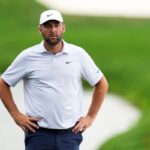
Three-and-a-half years before Brooks Koepka cut ties with LIV Golf, he was well aware of what was taking place in an office park on the outskirts of London.
Greg Norman was on stage at RD Studios, awkwardly moving through a pre-written speech. He glanced left and right across the room — which was filled by anxious supporters of the new league — mostly because that’s where the teleprompters were. He paced himself fine but paused whenever he missed a word, leading to the fifth paragraph of the speech, where he uttered a very important phrase:
We are bringing free agency to golf, and this has always been the driving force behind what we set out to do.
In some ways, he was correct. Norman and the Saudi PIF had manufactured a new corner of the pro golf market and plenty of relevant Tour pros took them (and their money) seriously. Norman loved those two words: free agency. They were a major part of his campaign. But now, nearly four years later, he watches from beyond the sidelines, unable to impact the league as those two words are suddenly working in reverse.
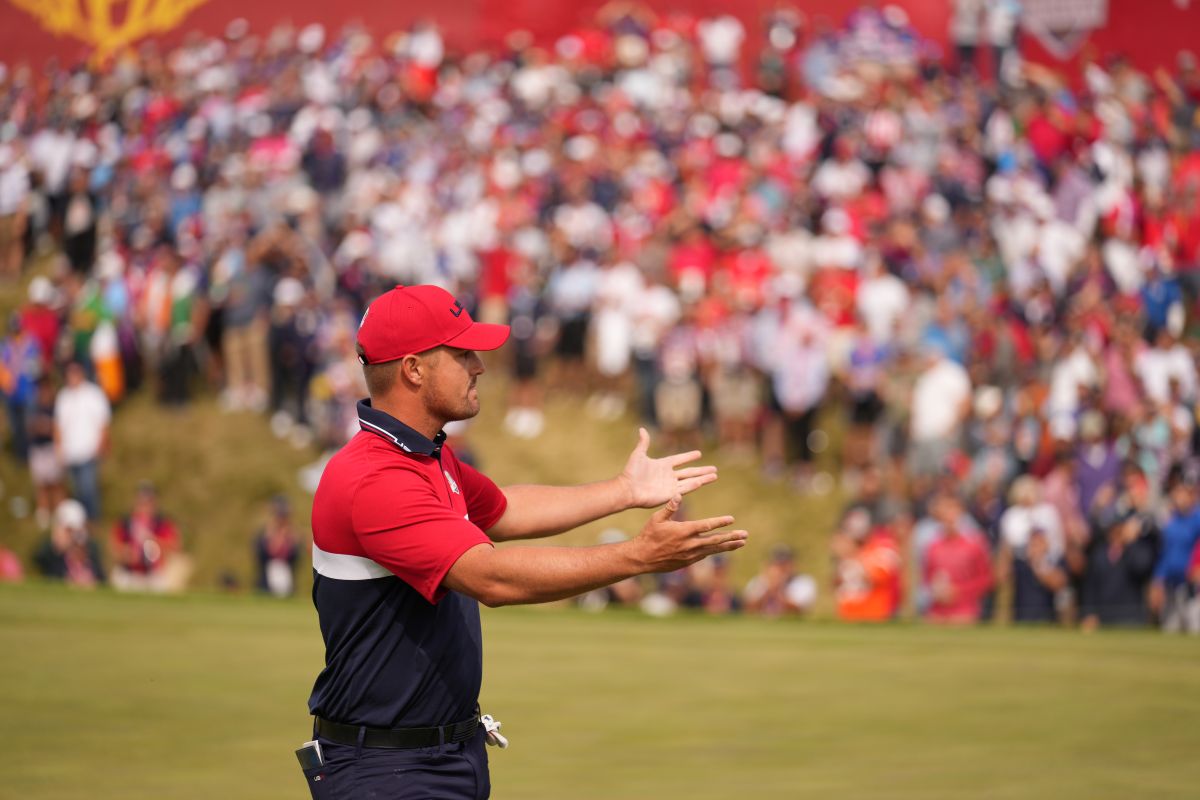
Koepka’s news jolted the golf space for a few reasons. It landed around 5 p.m. on Dec. 23, just as the world cozied up to their fireplaces. It was also the first time a significant character reneged on his initial 4-year contract, ending it one season early. Days later, Bryson DeChambeau reminded the world that he has one year remaining on his deal, too, and that Koepka’s decision changes things.
DeChambeau shared his thoughts with the social media account @FlushingIt, and as abnormal as that may sound to traditionalists, they’re very real ideas he shared privately throughout 2025. He believes in team golf and wants to reach an agreement with LIV, but a lot needs to change.
DeChambeau noted he doesn’t have as much say over LIV as he’d like, but he can worry about that later. What he does have say over is where he sells his services, just as Norman argued years ago. Sitting across the table from DeChambeau is a golf league with a trillion dollar owner and nothing that amounts to a salary cap. That combination is one of one, just as DeChambeau himself is one of one. And considering the PIF created an irrational market with mega-million-dollar “free agent” signings in 2022 and 2023, it may not be appreciated but it would not be outlandish for DeChambeau’s monetary request to begin with a B.
A player’s individual worth, from a marketing and commercialization perspective, is at the center of every LIV negotiation, as is the threat of offering that value elsewhere. What makes DeChambeau different is that he has a theoretical third avenue, which he made clear to Flushing It: there is always YouTube. He loves creating content so much that you could see him manifest exclusively into the Streaming Golfer if he so wished. (Don’t forget that he spent much of the Covid lockdown streaming himself playing Fortnite or speed training on Twitch.) DeChambeau is qualified for every major tournament through the 2029 U.S. Open. Could a place like Amazon — not allergic to paying massive fees for sports content — offer him a creator deal for the weeks in between?
Norman would enjoy listening to DeChambeau work through that hypothetical. It was back in 1994 that Norman petitioned the PGA Tour to let him compete in a non-sanctioned series of international matches, alongside Nick Price and against other two-man teams. That two-man, roving match concept has grown quite popular in these years of streaming golf content, particularly and unsurprisingly by LIV players who take their own marketing very seriously. That mindset is what Norman believed in. He loved the idea of golfers texting each other, not unlike NBA players do, to consider joining forces. He reveled in offseason discourse, stirring up the belief that a “big name” could jump from the PGA Tour at any moment, even if that rarely came to fruition. He had to love it when Koepka’s then-coach Claude Harmon took a victory lap in 2023, comparing his stud striker who just won the PGA Championship to Justin Verlander signing a 2-year, $90 million deal with the New York Mets. What’s important now is that it seems to work both ways.
Last weekend we saw Rory McIlroy admit that, were it up to him, LIV golfers would be accepted back on the PGA Tour. They have already paid consequences, he said. Then he joined Scott Van Pelt on SportsCenter and said the same thing, not-so-subtly referring to Koepka’s potential move back to the PGA Tour, and outwardly stating DeChambeau’s name.
In other sports that would be called tampering, but there is no penalty for tampering in pro golf — in part because these two sides agreed to stop suing each other two years ago, but also because the rules of pro golf free agency are still being written, and they’ll likely be different for different people. It will surely benefit Koepka that he was never part of the aforementioned lawsuits. (See: The PGA Tour’s immediate, non-statement statement about Koepka. They’ll be happy to welcome him back.) DeChambeau likely won’t be afforded the same cheeriness, but he will have Koepka indirectly working on his behalf, charting some sort of journey in life after LIV.
In a matter of months, that path should be clearer. Just as DeChambeau will continue leading — in the final year of his contract— the most commercially viable LIV franchise. All of it is leverage in a system Norman created. He just probably never imagined it working this way.
This article originated on Golf.com






Leave a comment