
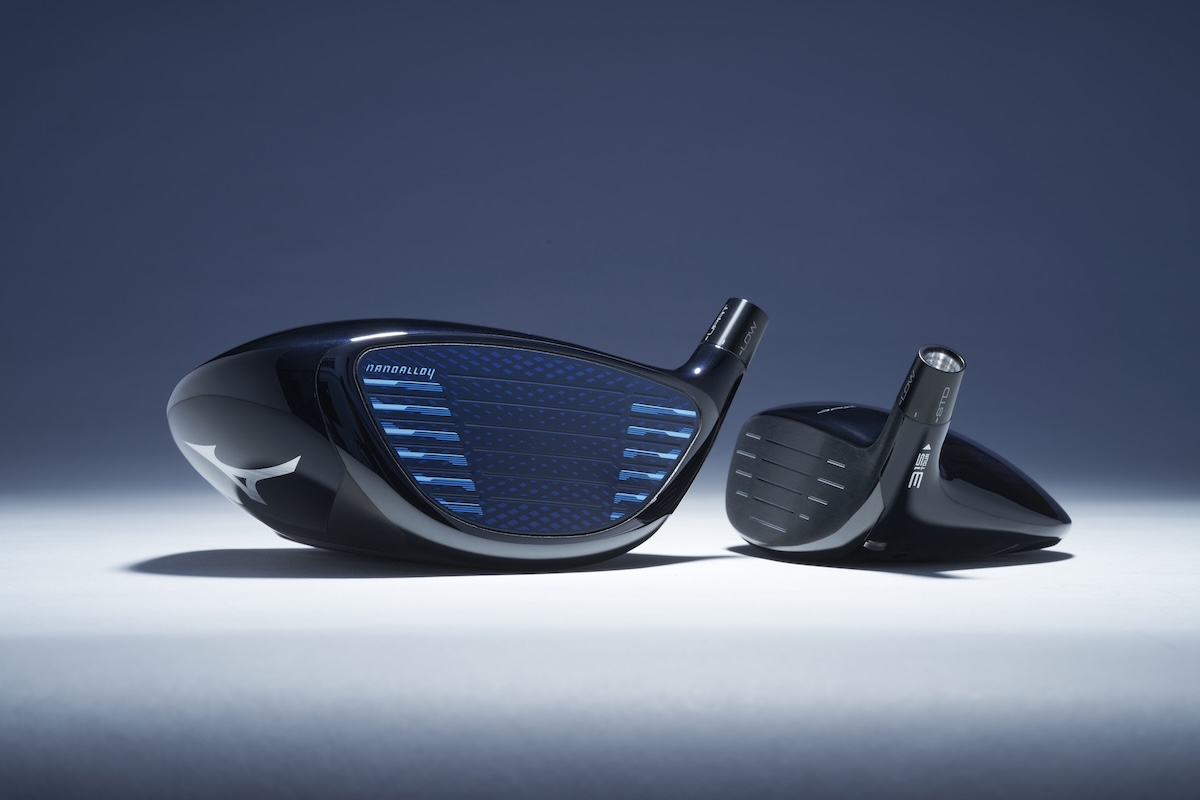









After a complete brand overhaul, Mizuno is releasing its first driver and metalwoods line in two years, something that might bring their long clubs out from behind the shadow of their irons. And there’s a really cool story of how they got there. The company is announcing its JPX One line of woods, including the JPX One and JPX One Select drivers, which sport an industry-first Nanoalloy face.
“This didn’t feel like an evolution of anything we’d done before,” said Mizuno Director of Golf Chris Voshall. “It felt like the start of something completely new. The technology was so different in how it behaved at impact that it didn’t make sense to keep calling it ST. That’s why we went back to JPX and called it ONE, this is the beginning of something bigger.”
The world’s first Nanoalloy driver
Mizuno has been teasing the Nanoalloy story ever since they opened their new fitting and R&D facility in Georgia, the Foundry, last year, with a timeline claiming 2026 is when they’d introduce the “world’s first ‘blank’ driver.”
While the blue face might draw comparisons to carbon fibre, Nanoalloy is actually a material from the nylon family that is used in Mizuno’s baseball and softball bats. It’s also been used in graphite wood shafts. It turns out the material has a unique property, allowing it to be very firm at rest and very flexible under tension. That means it can have more spring effect when it’s impacting a golf ball, producing more ball speed and a larger area where you can get those ball speeds from.
“It gives you the ability to put it on the face of a driver to conform to all the testing, check all the boxes that it needs to,” Voshall said. “But then when you impact it, it changes the dynamic of what happens at impact and how the ball and face interact.”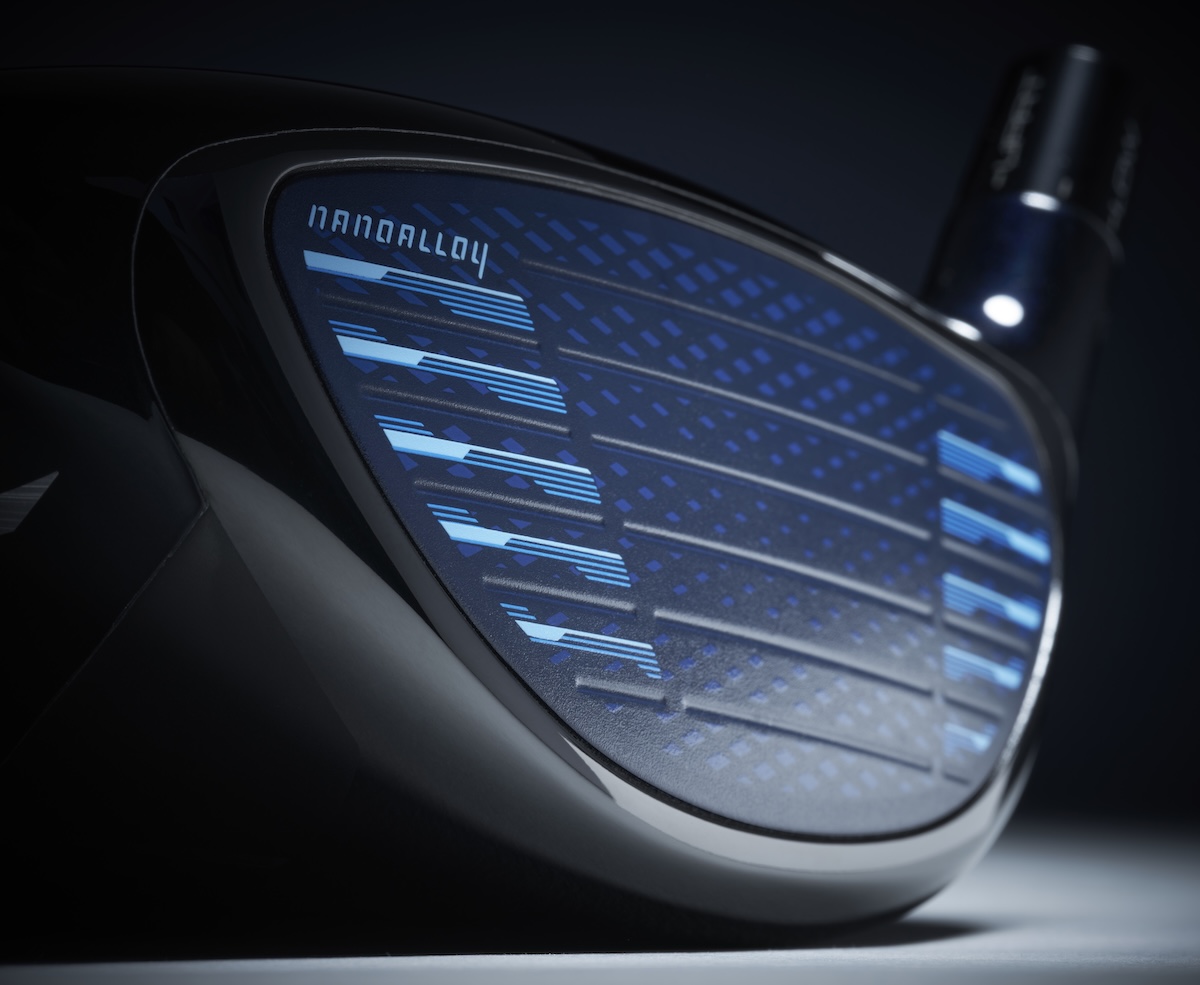
The JPX One driver’s face isn’t entirely made of Nanoalloy. The face is made from ultra-thin forged titanium and then the Nanoalloy face is placed on top. Because of the combination, the Titanium face is 10% thinner than on previous Mizuno drivers. That meant there was no longer a need for the Cortech Chamber along the leading edge to boost face flex.
Then there is a re-engineered Cortech Chamber and Speed Bevel sole. Because of the smaller face sizes, the Nanoalloy wasn’t beneficial for fairway woods or hybrids, but they do have a re-engineered Cortech Chamber. Instead of a rectangular weight within the chamber, Mizuno made it narrower in the middle and wider toward the heel and toe. That helps not only shots hit lower on the face, but also gives heel and toe strikes a boost. The soles of both clubs were also reshaped to a new Speed Bevel, which allows the clubs to enter and exit the turf more easily.
The Mizuno JPX One woods lineup
There are two driver models, plus a single fairway and hybrid. The Nanoalloy face frees up mass that’s pushed elsewhere in the head, dialling up forgiveness in both the Standard and Select heads. In addition to the blue face on the driver, the longtime brand colour of Mizuno, the carbon composite crowns of the driver, fairway and hybrid sport a more subtle blue hue when seen in sunlight. Both drivers also feature an adjustable backweight for swingweighting.
JPX One Driver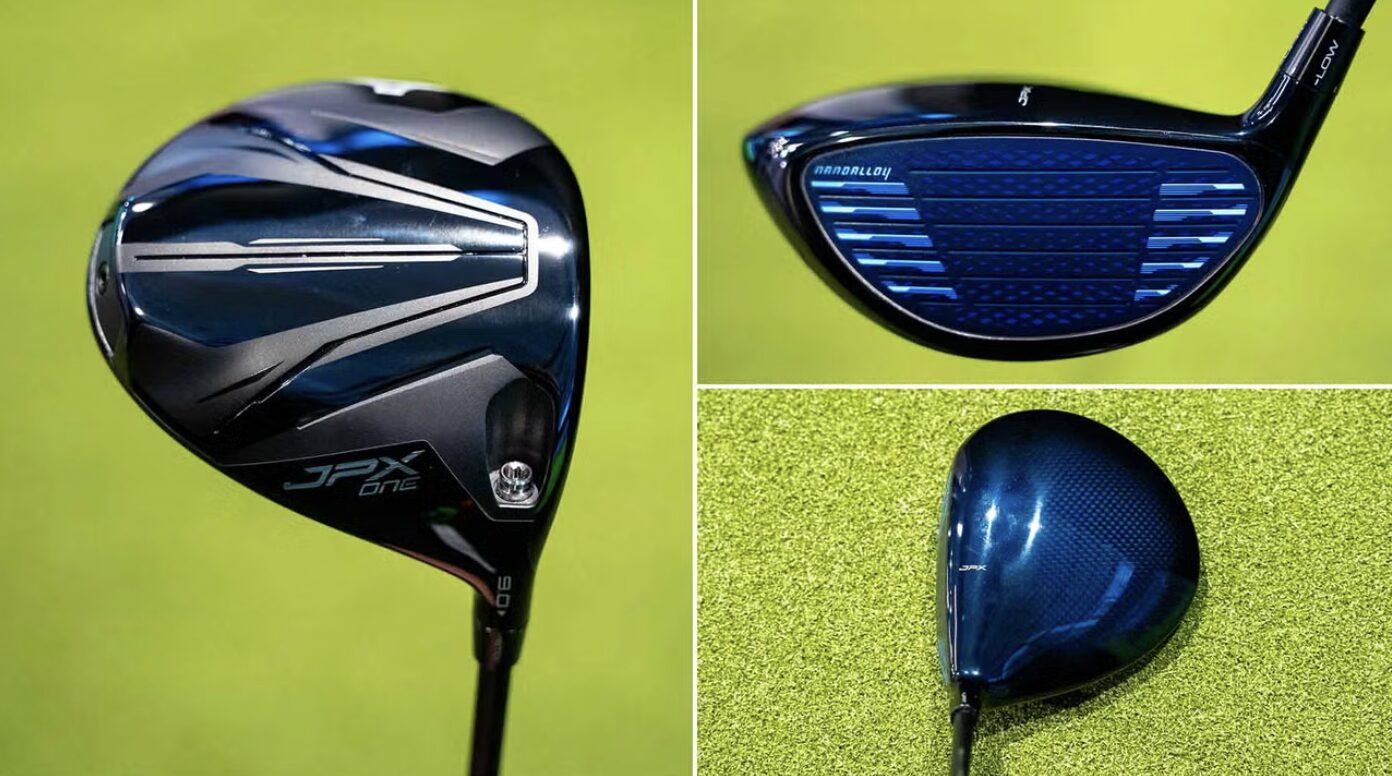
What is it: The Standard JPX One model driver is the higher MOI, longer front-to-back and heel-to-toe model. It features an adjustable backweight and a more straight bias with an upright lie angle than the JPX One Select.
Who it’s for: Of the two models, the JPX One is going to fit the majority of golfers, but could also contend for better players thanks to its stability and fast ball speeds.
JPX One Select Driver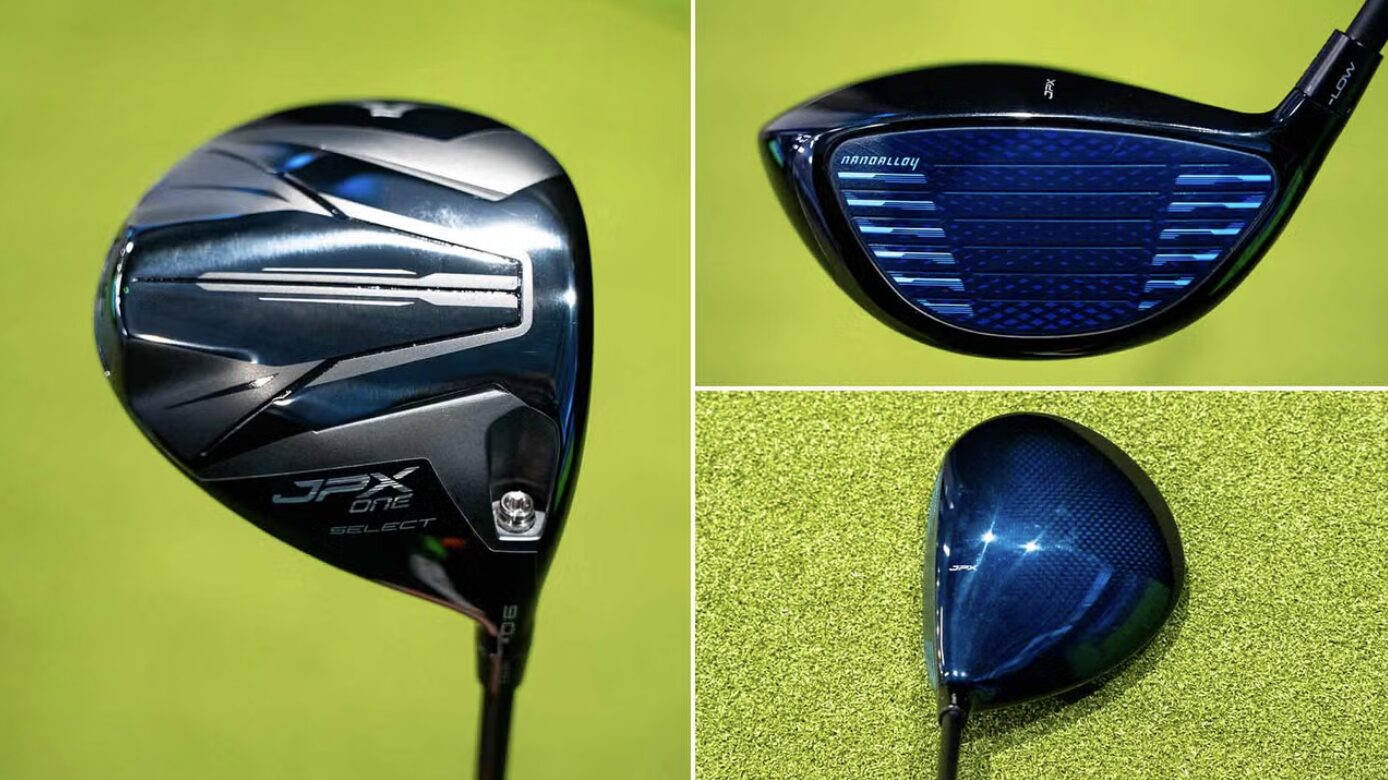
What is it: A slightly more pear-shaped, compact profile, the JPX One Select targets better players who want to retain workability and maximise speed. Although it is still a 460cc, the Select has a deeper face than the standard. It also has a flatter lie angle and more face progression to produce a fade bias.
Who it’s for: The Select is for the player seeking to cut spin and fight a left miss off the tee.
JPX One Fairway woods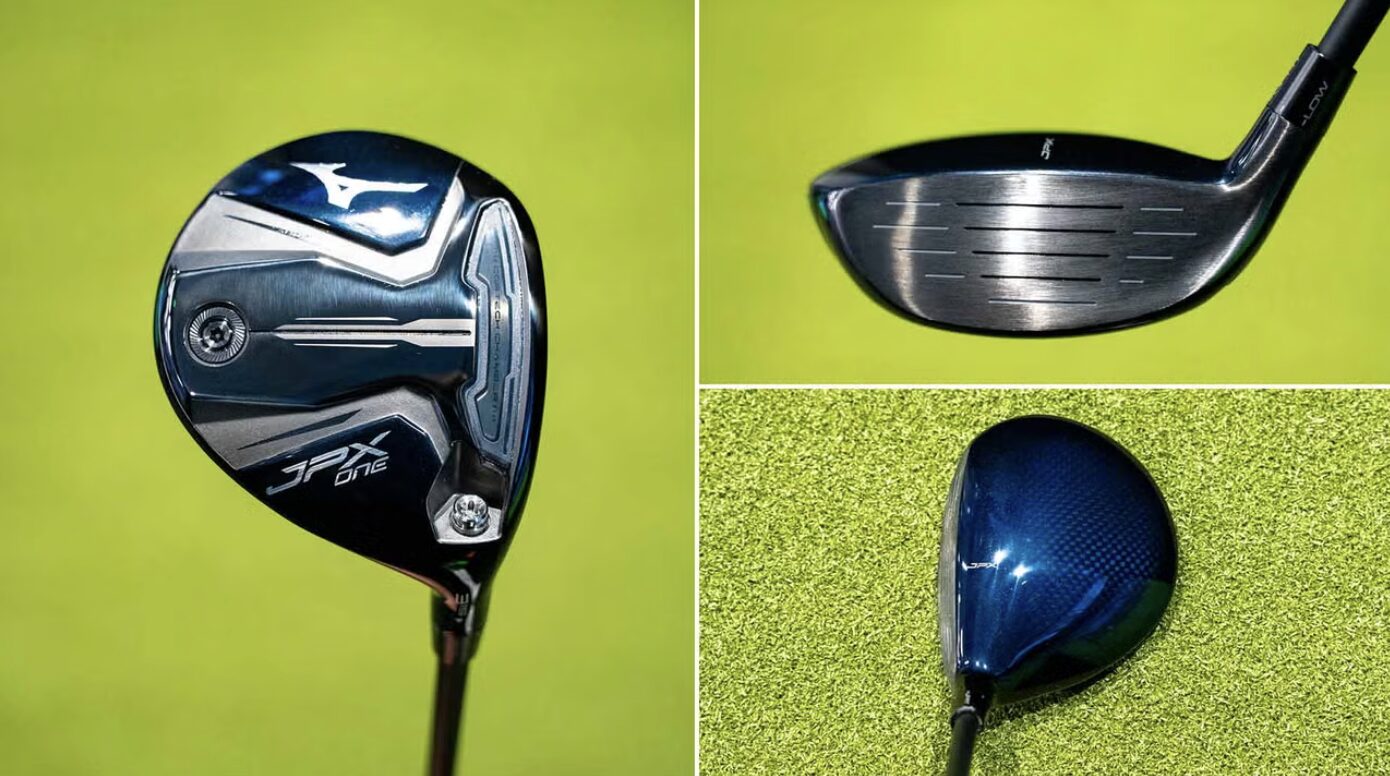
What is it: The JPX One fairway woods have the new Speed Bevel sole and re-engineered Coretech Chamber to help low strikes. An MAS1C steel face ensures high ball speeds. There is also a 3T model that is more compact and one degree flatter than the standard 3-wood.
Who it’s for: The JPX One serves as a nice middle of the road for face height, leaving it a nice option for players who use it both off the deck and the tee.
JPX One Hybrid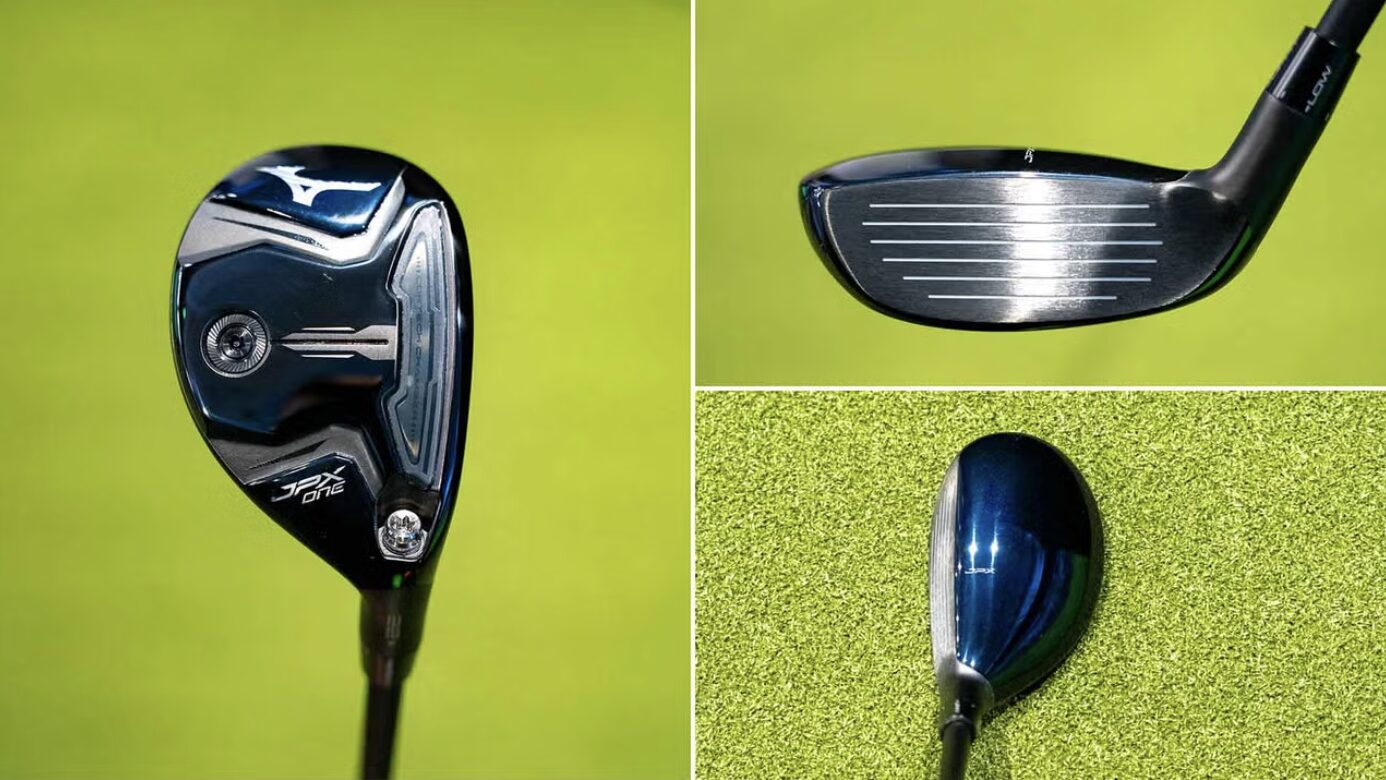
What is it: The hybrid also features the Need Speed Bevel sole and a reshaped Coretech chamber, while maintaining a compact shape.
Who is it for: A great option for someone who wants a more compact, iron-like hybrid that is on more neutral side for bias.
Our take:
Mizuno has quietly rebranded its entire lineup by splitting the Mizuno Pro lines, bringing wedges and golf balls under that name, and moving woods back to the JPX brand. If this is the move that finally gets Mizuno woods the praise they deserve, then here’s to it.
I really enjoyed the ST-Z 230 driver, a great performer that has been in the bag of Keith Mitchell, who’s among the best drivers on the PGA Tour.
In our short time testing the JPX One Select driver, it’s a big step up for Mizuno. Both drivers have a great look at the address and I’d have no problem gaming it. I love the story of the new Nanoalloy face and that it’s truly different from what’s out there in terms of multimaterial faces. So our advice on Mizuno gear in 2026 – Start paying attention to Mizuno woods.
From the Vanguard carbon-headed driver in 1982 to the MP-600 with movable weight technology in 2008, Mizuno has continually pushed the boundaries of metalwood design, turning four decades of innovation into one defining moment. The JPX ONE range marks the next defining chapter, a family that unites materials science, speed engineering, and
player-informed shaping in one cohesive system.
Mizuno’s new JPX One Woods are available for pre-orders starting Jan. 12 and will arrive at retail locations on Jan. 22. The two driver models are priced at €599, fairway woods cost €349 and hybrids are €279 each.
Available lofts of each club are below:
JPX One Driver: 9.0, 10.5, 12
JPX One Select Driver: 9.0, 10.5
JPX One Fairway Wood: 15 (3T), 15, 18, 21, 24
JPX One Hybrid: 19, 22, 25, 28













Leave a comment